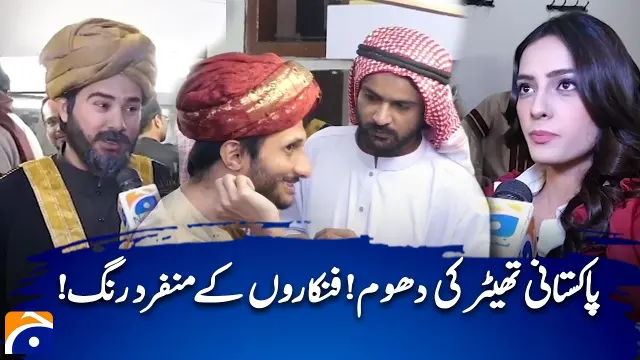
 Pakistani theatre artists perform at the Karachi World Culture Festival
#World Culture Festival
4 ideas
Pakistani theatre artists perform at the Karachi World Culture Festival
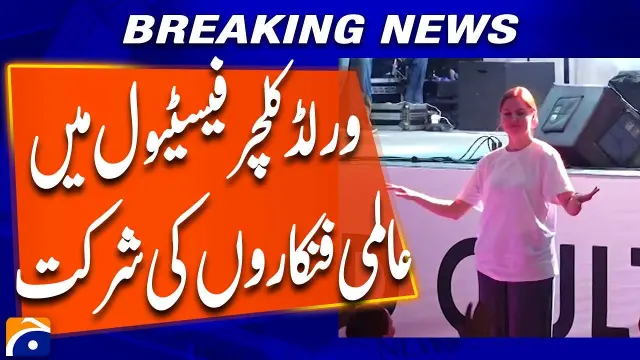 International artists gather at the World Culture Festival
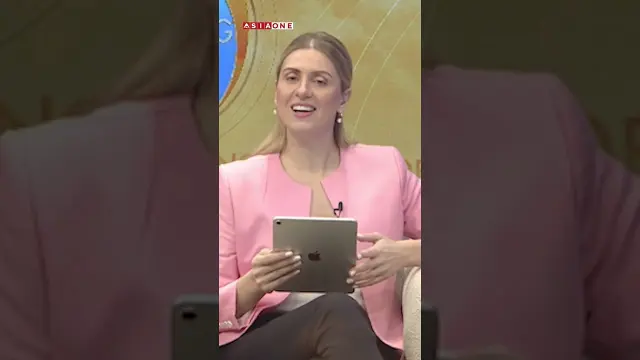 Karachi World Culture Festival featured on Morning Asia
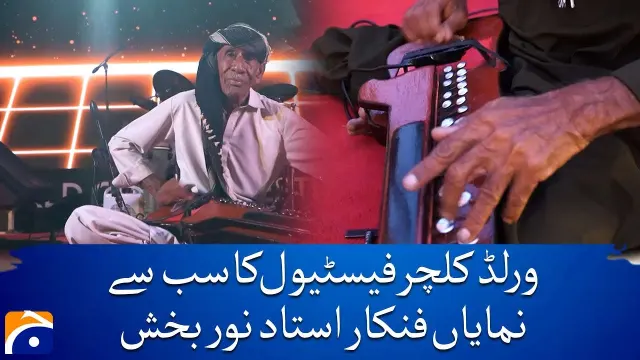 Ustad Noor Bakhsh performs Balochi music at the World Culture Festival
Get new #World Culture Festival ideas by email
Every Thursday: the week's best ideas, with the newest from #World Culture Festival.
Related tags
World Culture Festival: A Celebration of Global Traditions
A world culture festival is a gathering where music, dance, theatre, craft and food from many countries are presented side by side, usually over several days and often in the open air. Rather than celebrating one nation's heritage, it treats culture as something shared: an invitation to listen to a tradition you did not grow up with and to recognise something familiar inside it.
Where the idea comes from
Large international exhibitions of art and industry in the nineteenth and twentieth centuries first put the performing traditions of many countries in one place, though usually framed as a competition between nations. From the middle of the twentieth century, international arts festivals, folk gatherings and UNESCO-backed cultural programmes shifted the emphasis towards exchange rather than ranking. Today such festivals range from vast multi-stage events to neighbourhood weekends organised by community groups, libraries and cultural centres.
What you will usually find
Read more
Programmes vary, but certain elements recur. Concerts bring together classical, folk and contemporary musicians, sometimes with instruments rarely heard outside their home region. Dance and theatre companies perform everything from court traditions to street forms. Craft and food stalls let visitors meet makers and cooks directly. Many festivals add workshops, film screenings, poetry readings and talks, and some include a market or a parade.
Styles and approaches
Festivals differ in character. Some are curated showcase events, with invited ensembles performing on formal stages. Others are participatory, built around open workshops, jam sessions and community choirs. Folk-oriented festivals tend to emphasise rural and regional traditions, while urban festivals lean towards hybrid and diasporic work, where artists blend inherited forms with contemporary practice. A growing number of festivals are organised around a theme, such as water, migration or storytelling, which shapes which artists are invited.
If you are going for the first time
- Wear comfortable shoes and check whether venues are indoors or on grass.
- Take a programme early; the most interesting items are often the smaller daytime workshops rather than headline concerts.
- Arrive a little before a performance begins, since popular events fill up quickly.
- Ask before photographing performers or craftspeople; some traditions have clear rules about it.
- Try food and crafts you do not recognise, and talk to the people running the stalls.
- If you are sensitive to crowds or noise, plan a quieter route and give yourself breaks.
If you are helping to organise one
Balance spectacle with access. Publish a clear schedule, provide seating and shade, and make sure performers are introduced properly rather than presented as curiosities. Invite local communities to take part, not only international guests, and pay artists for their work. Translation, sign language and step-free access widen the audience considerably.
At its best, a world culture festival is less a display of differences than a reminder of how much people share: rhythm, storytelling, hospitality and the pleasure of making something by hand.
#World Culture Festival: frequently asked questions
What should I expect at a World Culture Festival if it’s my first time?
Expect a mix of music, dance, theatre, crafts, and food from different cultures, often with workshops, talks, or film screenings as well. It is usually a lively, open-ended event, so you can move between performances, browse stalls, and spend time talking with makers and performers.
What should I bring or prepare before going to a World Culture Festival?
Comfortable shoes and a simple plan for the day help a lot, especially if the festival is outdoors or spread across several spaces. It also helps to check the programme in advance, arrive a little early for popular performances, and be ready for crowds or noise if needed.
How do I choose which performances or activities to see at a World Culture Festival?
Start by deciding whether you want a formal showcase, a participatory workshop, or something more local and community-led. Many people find the smaller daytime sessions, open workshops, and food or craft areas just as rewarding as the main stage events.
What kind of activities are usually best for families or groups?
Family-friendly festivals often include hands-on workshops, processions, food stalls, and performances that are easy to enjoy together. A good choice is an event with a clear schedule and places to sit and rest, so everyone can move at their own pace.
What are common mistakes to avoid at a World Culture Festival?
A common mistake is assuming the headline show is the only thing worth seeing, when smaller sessions often offer more direct exchange. It is also important to ask before photographing performers or craftspeople and to respect any customs or rules shared by the organisers.
Videos come from YouTube and posts from Instagram; titles and summaries are our own. All rights belong to their creators.