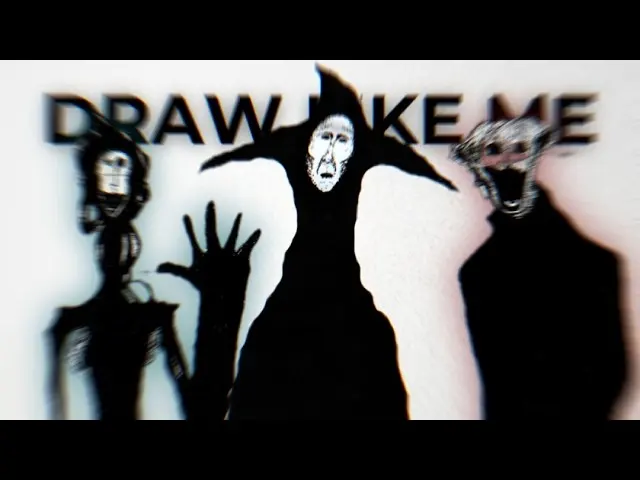
 Step-by-Step Tutorial on Drawing Analog Horror Artwork
#Analog Art
7 ideas
Step-by-Step Tutorial on Drawing Analog Horror Artwork
 How to Draw Analog Horror Characters in Seven Easy Steps
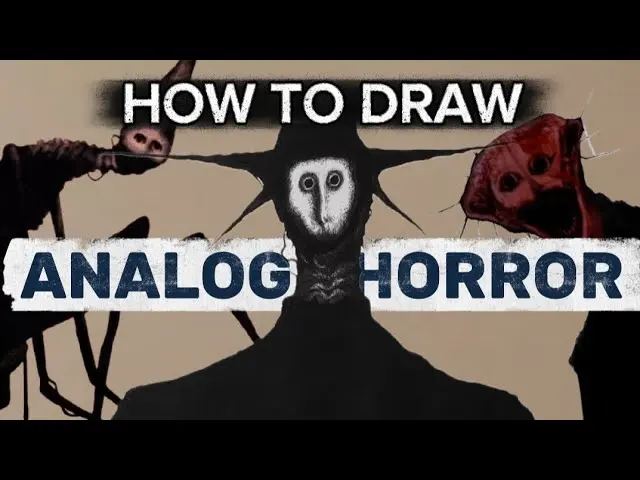 How to Draw Analog Horror Illustration Using Simple Steps
 Small Analog Art in a Digital Age: ATCs, Zines, and Books
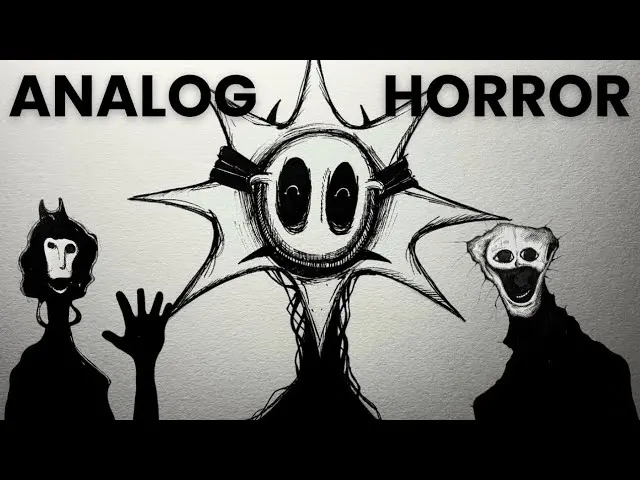 In-Depth Tutorial on Drawing Analog Horror Illustrations
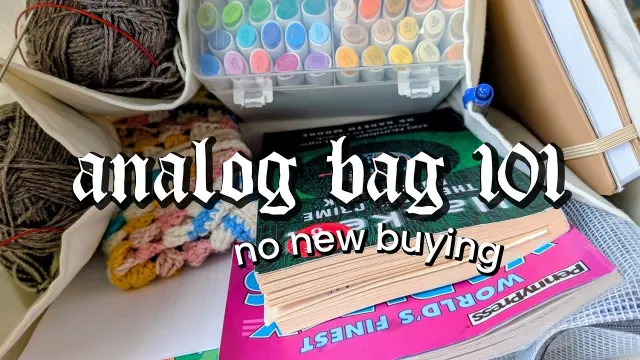 How to Make and Pack Your Own Crafting Analog Bag
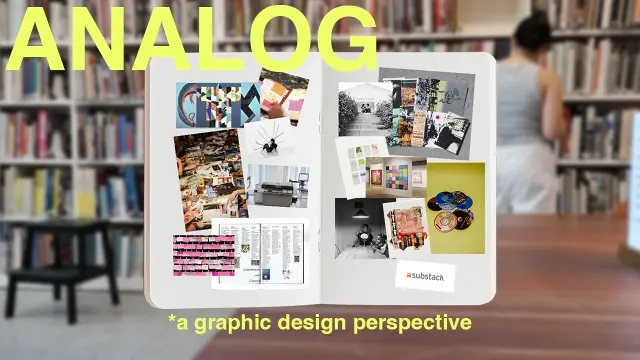 Integrating Analog Techniques Into Digital Design Work
Get new #Analog Art ideas by email
Every Thursday: the week's best ideas, with the newest from #Analog Art.
Related tags
Analog Art: Handmade Techniques and Creative Basics
What analog art means
Analog art is any artwork made by hand with physical materials rather than on a screen. It includes drawing, painting, printmaking, collage, sculpture, mixed media, and many other forms that leave a real trace on paper, canvas, wood, fabric, clay, or other surfaces. At its core, analog art is about direct, tactile making: the pressure of a pencil, the spread of paint, the cut edge of paper, or the texture of a brushstroke.
People have made analog art for as long as they have made images. Before digital tools existed, these were the main ways to sketch ideas, tell stories, decorate objects, and record the world. Today, analog art is still valued because it feels immediate, personal, and often uniquely expressive. Many artists also use it alongside digital work, beginning with hand-drawn ideas and then refining them later.
Common forms and styles
Read more
Analog art covers a wide range of approaches. Some of the most familiar are:
- Drawing with pencil, charcoal, ink, pastel, or colored pencil
- Painting with watercolor, gouache, acrylic, oil, or tempera
- Collage, where paper, fabric, photographs, or found materials are assembled into a new image
- Printmaking, which uses carved, etched, stamped, or transferred surfaces to produce marks
- Mixed media, which combines several materials in one piece
- Sculpture and craft-based work using clay, wire, wood, textiles, or recycled objects
The style can be realistic, abstract, loose, detailed, expressive, or decorative. You do not need to fit into one category. Many people discover their style by trying several materials and noticing what feels natural.
Techniques worth knowing
A few basic ideas are helpful if you are new:
- Line and shape: simple marks are the foundation of most visual work
- Value: light and dark contrast helps create depth and form
- Color mixing: learning how colors behave together makes painting easier
- Layering: building up material gradually often gives richer results
- Texture: physical surfaces can add energy and interest
- Composition: arranging shapes and space well helps the artwork feel balanced
You do not need expensive supplies to begin. A sketchbook, a few drawing tools, and ordinary paper are enough for practice. If you are painting, start with a small set of materials so you can learn how each one behaves before expanding your collection.
Tips for beginners
If you are just starting, keep things simple and consistent. Short, regular practice is usually more useful than waiting for a perfect idea. Try quick studies from everyday objects, make small color tests, or copy simple shapes to understand proportion and form. Mistakes are part of the process, especially in analog work, where unexpected marks can become part of the final piece.
It also helps to keep your workspace ready. A clear surface, good light, and easy access to your tools make it simpler to begin. Protect your work from smudging or moisture if your materials need drying time, and store finished pieces flat when possible.
Most of all, treat analog art as a space for exploration. Because it is made by hand, it carries the rhythm of your process in a way that feels personal and lasting.
#Analog Art: frequently asked questions
How do I start making analog art if I’m a complete beginner?
Begin with a sketchbook, a few basic drawing tools, and simple paper so you can practice without pressure. Focus on small studies, everyday objects, and quick exercises that help you get comfortable with line, shape, and proportion.
What materials do I need for analog art?
You do not need a large supply to begin. Basic drawing tools, paper, and a clean workspace are enough for practice, and you can add paint, collage materials, clay, or other surfaces later as your interests grow.
Which type of analog art should I choose first?
Choose the medium that feels easiest and most enjoyable to handle, such as drawing, painting, collage, or mixed media. Many people discover their style by trying a few different materials and seeing which ones feel natural to them.
How can I care for finished analog artwork?
Keep finished pieces flat when possible and protect them from smudging, moisture, and direct handling while they dry. Storing artwork in a clean, dry place helps preserve paper, paint, and delicate surface textures.
What are some good analog art ideas for a special occasion or creative project?
Analog art works well for handmade cards, small artworks, visual journals, zines, and custom pieces with a personal touch. It is also a great choice for mixed-media gifts or themed illustrations when you want something tactile and unique.
What mistakes should I avoid when making analog art?
A common mistake is waiting for perfect materials or a perfect idea before starting. It also helps to avoid overworking every piece; in analog art, loose marks, layering, and even small imperfections can add character.
Videos come from YouTube and posts from Instagram; titles and summaries are our own. All rights belong to their creators.