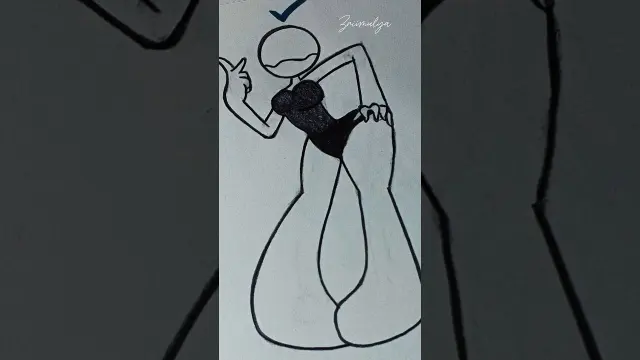
 Female body pose construction drawing guide
#Body Proportions
4 ideas
Female body pose construction drawing guide
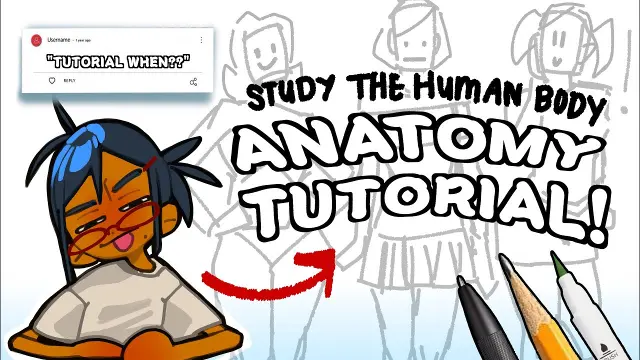 Breaking down the steps to drawing body anatomy
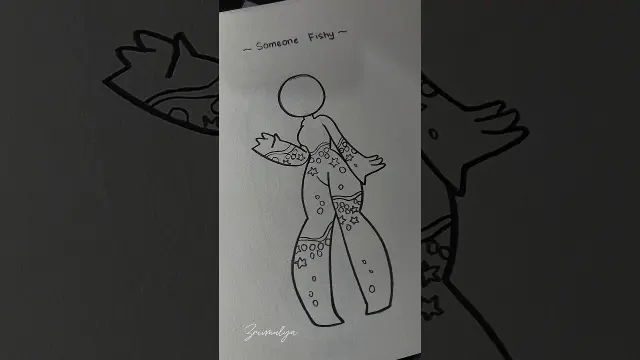 Step by step female body pose drawing tutorial
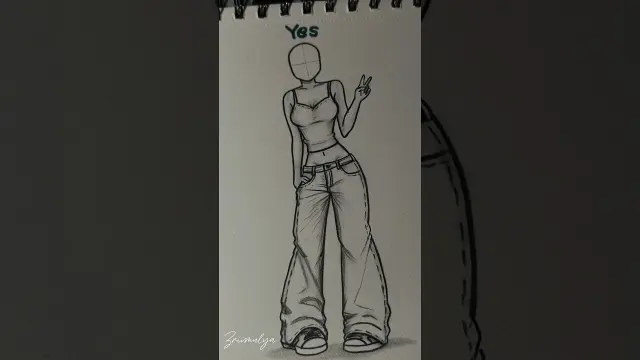 Simple stickman to posed female body drawing tutorial
Get new #Body Proportions ideas by email
Every Thursday: the week's best ideas, with the newest from #Body Proportions.
Related tags
Body Proportions in Figure Drawing
What body proportions mean
Body proportions are the relative sizes of the parts of the human body and how they fit together. In drawing, they help you build a figure that feels balanced, natural, and believable. Proportions are not the same as exact measurements; they are a way of comparing one part of the body to another, such as the head to the torso, or the length of the arm to the height of the body.
Because every person is different, proportions vary from one body to another. Age, posture, build, and viewpoint all change the look of the figure. That is why proportion is best understood as a flexible guide rather than a fixed rule.
Why proportions matter
Read more
If the proportions are off, a drawing can feel awkward even when the details are carefully rendered. Good proportions help you place the shoulders, hips, limbs, and facial features in a way that makes sense. They also make it easier to keep a pose consistent when the body turns, bends, or stretches.
For beginners, proportion is often the fastest way to improve figure drawing. It gives you a simple framework before you worry about details like fingers, facial features, clothing folds, or muscle shape.
Common ways to measure the figure
Many artists use the head as a basic measuring unit. The body can then be compared in “head lengths” from top to bottom. This is a helpful starting point because the head is easy to see and repeat across the figure. Still, different bodies have different ratios, so use this as a guide rather than a strict formula.
Another useful method is to compare major landmarks:
- the shoulders against the ribcage
- the waist against the hips
- the elbows against the waist
- the wrists against the hip area
- the knees against the middle of the leg
These relationships help you place the body in a clear, structured way before adding detail.
What beginners should know
Start with simple shapes. Think of the torso as a block or egg shape, the pelvis as another basic form, and the limbs as cylinders or lines with joints. This makes it easier to check proportions early, when corrections are still simple.
A few practical habits can help:
- Sketch lightly at first so you can adjust easily.
- Compare one side of the body to the other.
- Step back from your drawing often to spot mistakes.
- Use reference from real people or life whenever possible.
- Focus on the whole figure before refining small parts.
Understanding style and variation
Realistic drawing aims to match human structure closely, while stylized drawing may lengthen the legs, narrow the waist, or enlarge the head for effect. Even in stylized work, the figure usually feels stronger when the underlying proportions are consistent.
The best way to learn is to observe many body types and poses. People do not all share the same proportions, and that variation is part of what makes figure drawing interesting. Once you understand the structure, you can draw with more confidence and adapt the body to the style you want.
#Body Proportions: frequently asked questions
How do I start learning body proportions for figure drawing?
Begin with simple shapes and a rough framework before adding details. Use the head, torso, and pelvis as basic reference points, then compare the limbs and joints against them to check that the figure feels balanced.
What should I measure first when checking proportions in a drawing?
Start with the biggest relationships in the body, such as the head to the torso, and the shoulders and hips to each other. Once those major parts feel right, it becomes much easier to place the arms, legs, and facial features accurately.
Do I need to follow one exact set of body proportions?
No, proportions are best used as a guide rather than a fixed rule. Real bodies vary a lot based on age, posture, build, and pose, so it helps to compare shapes and landmarks instead of relying on one formula.
What is the easiest way to make a figure look more natural?
Keep the proportions consistent across the whole body and check them early, before adding small details. Light sketching, using reference, and stepping back often can help you catch awkward placements before they become harder to fix.
Can I use body proportions for stylized drawings too?
Yes, stylized figures still look stronger when the structure underneath makes sense. You can lengthen legs, narrow the waist, or adjust the head size, as long as the overall relationships still feel believable.
Videos come from YouTube and posts from Instagram; titles and summaries are our own. All rights belong to their creators.