 Knife Work: Taking a Whole Chicken Apart Cleanly
#Deboning
13 ideas
Knife Work: Taking a Whole Chicken Apart Cleanly
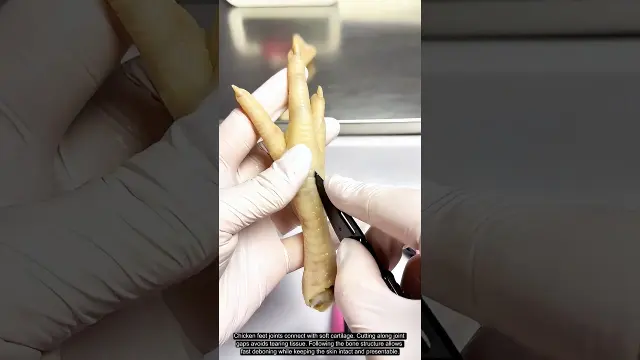 Chicken Feet Prep: Cutting Along the Joint Gaps
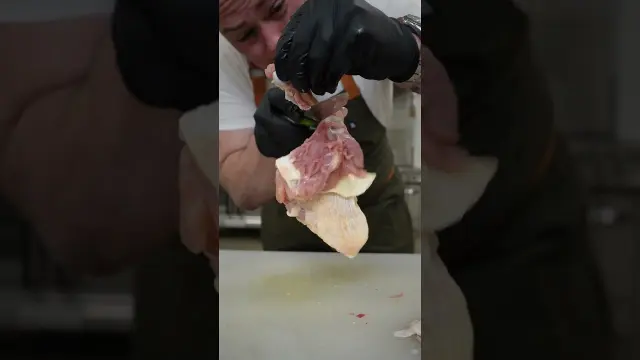 Butcher's Method for Deboning a Chicken Thigh
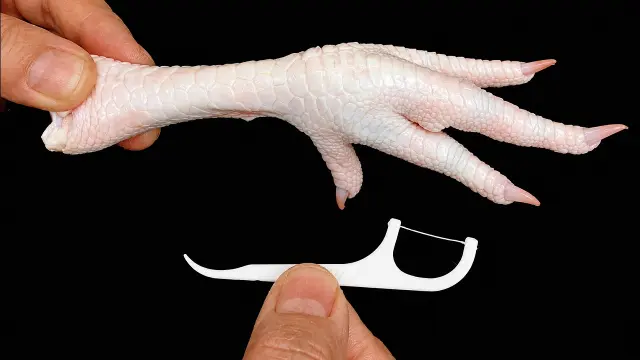 Deboning Chicken Feet with a Dental Floss Pick
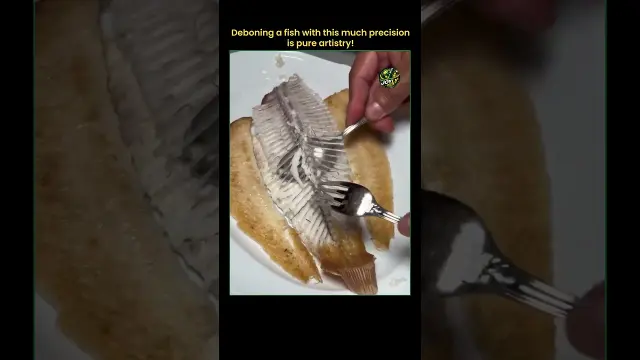 Chef Deboning a Whole Fish on the Guest's Plate
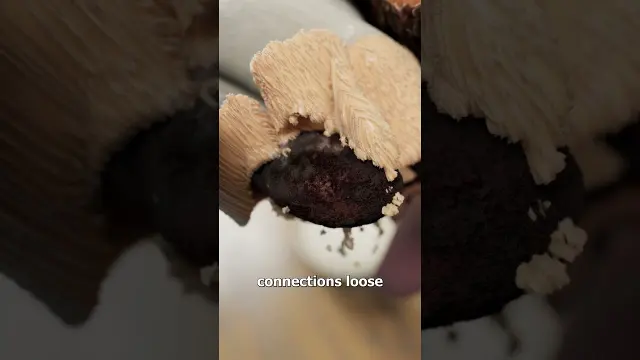 How to Debone a Chicken Wing for Stuffing
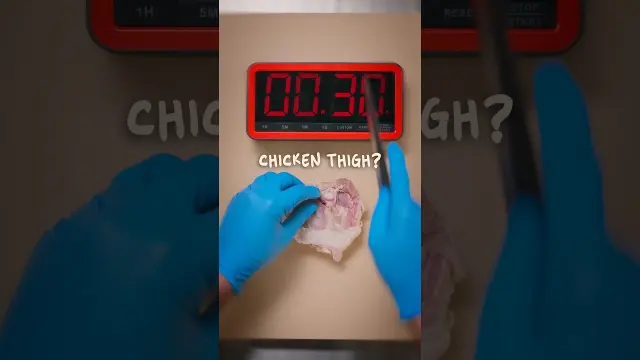 Deboning a Chicken Thigh Fast, Start to Finish
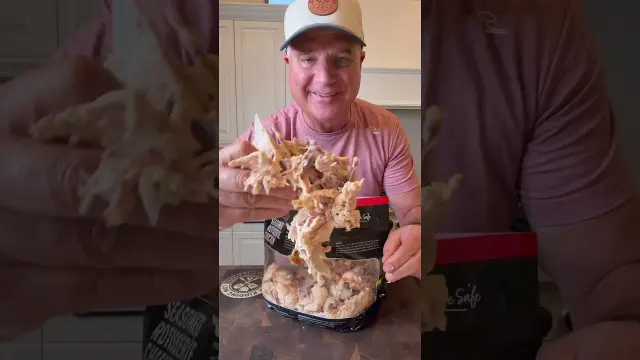 Taking the Meat Off a Rotisserie Chicken in the Bag
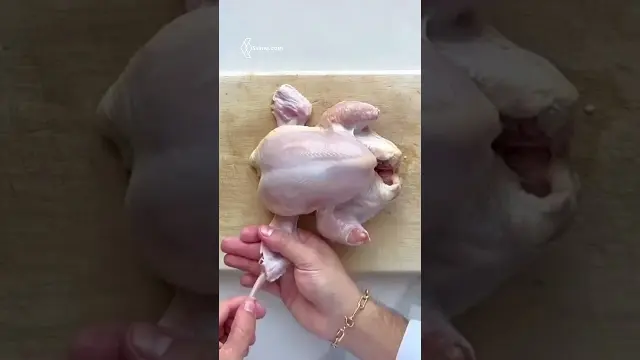 Deboning a Whole Chicken Without Damaging the Meat
 Skinning and Boning Chicken Thighs the Easy Way
 A Short Kitchen Hack for Deboning a Whole Chicken
 Chicken Feet Deboning Shown as a Kitchen Hack
 Tableside Fish Deboning with a Spoon and Fork
Get new #Deboning ideas by email
Every Thursday: the week's best ideas, with the newest from #Deboning.
Related tags
Deboning: A Beginner's Guide to Boneless Cuts
Deboning means separating meat, poultry or fish from the bones that hold it together, so you are left with a clean piece you can roll, stuff, slice or cook quickly. It is one of the oldest kitchen skills there is: butchers have long removed bones to make cuts easier to portion, to preserve meat in salt or fat, and to use every part of an animal well. At home, the reasons are more practical. Boneless pieces cook faster and more evenly, they take a filling, they carve neatly at the table, and the bones you take out become the start of a good stock.
What you actually need
A sharp, narrow-bladed knife does most of the work. A boning knife is flexible enough to follow a curved rib and thin enough to slip between flesh and bone. A sturdy cutting board, a bowl for the bones and a cloth for your hands matter almost as much. Fewer tools is better than the wrong ones: a big heavy blade is harder to control and tends to cut where you did not intend.
The idea behind every cut
Read more
The principle never changes: find the bone with your fingertips, keep the edge of the blade against it, and let the bone guide the knife. You are not chopping through, you are tracing. Short, shallow strokes with the blade angled slightly toward the bone waste less meat and keep you safer. When you lose the line, stop, feel for the bone again with your fingers, and restart. Rushing and sawing at the joint is how both the meat and your fingers get damaged.
Common kinds
- Poultry: thighs and legs come away fairly forgivingly; wings need small, careful work around two thin bones; a whole bird can be taken off the frame while keeping the skin intact for stuffing.
- Meat: a leg or shoulder is butterflied by cutting along the bone and opening the meat out like a book.
- Fish: filleting removes the main skeleton, but thin pin bones often remain and are best pulled with tweezers or pliers.
- Practice pieces: a chicken thigh or a small flat fish has a simple bone structure, which makes either a gentler place to start than a whole bird.
Practical habits
Cold meat holds its shape better than warm meat, so work with pieces straight from the fridge and put them back if the kitchen is hot. Keep everything clean, wash your hands often and never leave raw meat sitting out. Save the bones in the freezer for stock. If you are new to this, start with chicken thighs, then wings, and leave the whole-bird work for later. Expect the first attempts to look rough; neatness comes from repetition, not talent.
#Deboning: frequently asked questions
How do I start deboning if I've never done it before?
Begin by working with your fingertips rather than your eyes: feel for the bone, then lay the flat of the blade against it and let it guide your strokes. Go slowly in short, shallow passes instead of sawing, and stop the moment you lose the line so you can find the bone again. Expect your first attempts to look ragged; tidiness comes from repetition, not from natural talent.
What do I actually need to debone at home?
A narrow, flexible knife is the one thing worth having, since it can follow a curved rib and slip between flesh and bone without tearing the meat. Add a board that stays put, a bowl for the bones you remove and a cloth nearby for your hands. A large, heavy blade is a worse choice than a small one, because it is harder to control and cuts where you did not mean it to.
Which piece is easiest to learn on?
A chicken thigh is the usual starting point, because its bone structure is simple and the meat comes away fairly forgivingly. Once that feels familiar, move on to wings, which demand smaller and more patient work around thin bones. Whole birds are best saved until your hands know the rhythm, since keeping the skin intact while freeing the frame takes practice.
How should I look after my boning knife?
Keep the edge honed and touch it up regularly, since a dull blade skids off bone instead of following it — and a skidding knife is the one that slips into your hand. Wash and dry it by hand rather than leaving it to soak or tumble in a rack, and store it where the edge is protected. A flexible blade also rewards a light hand: let it do the tracing rather than pressing hard.
What mistakes do people make most often when deboning?
Rushing is the big one — sawing at a joint damages the meat and puts your fingers at risk, and it usually means the knife has strayed off the bone. Working with warm meat is another common slip, since cold pieces hold their shape and are far easier to control. Trying a whole bird or a large cut before you have done a few simple thighs is the third; build up instead of starting at the hard end.
What can I make once something is boneless?
Boneless pieces are ideal for rolling and stuffing, because a flat, even sheet of meat holds a filling and slices neatly at the table. Butterflied meat opens out like a book and cooks quickly and evenly, which suits a fast pan dinner or something meant to be carved in front of guests. Keep the bones you remove and freeze them — they are the beginning of a good stock rather than waste.
Videos come from YouTube and posts from Instagram; titles and summaries are our own. All rights belong to their creators.