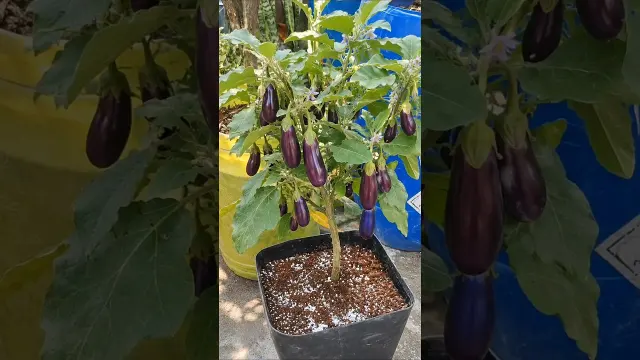
 Caring for Eggplant Plants with Potash and Mustard Cake Fertilizer
#Fertilizing
3 ideas
Caring for Eggplant Plants with Potash and Mustard Cake Fertilizer
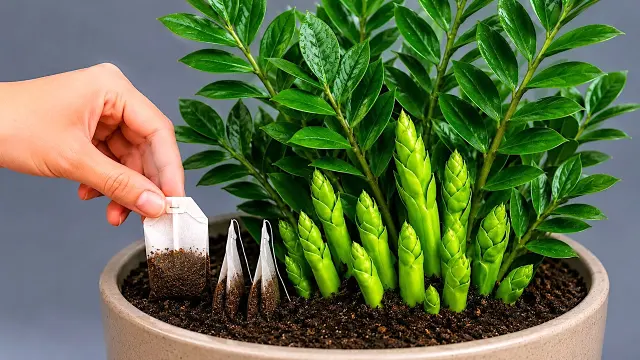 ZZ Plant Care: Watering, Light and Fertilizer Tips for Beginners
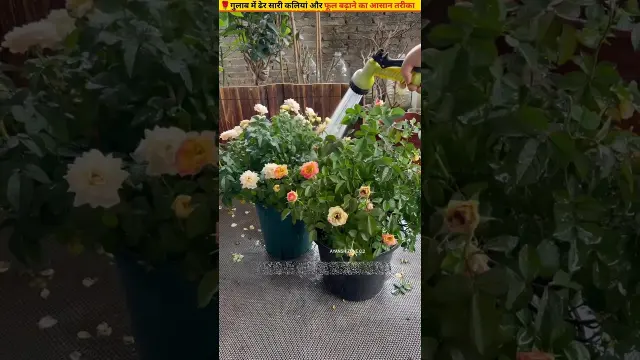 How to Get a Denser Rose Plant With More Flowers
Get new #Fertilizing ideas by email
Every Thursday: the week's best ideas, with the newest from #Fertilizing.
Related tags
Fertilizing: A Beginner's Guide to Feeding Plants
Every plant needs a handful of basic things to thrive: light, water, air around the roots, and nutrients. In a garden or a pot, those nutrients slowly run out, because the same soil is asked to grow the same plant year after year. Fertilizing is simply the practice of putting nutrients back. It is feeding, not medicine — a way of topping up what the soil can no longer supply on its own.
What fertilizer actually contains
Most fertilizers are described by three numbers, always in the same order: nitrogen, phosphorus and potassium. Nitrogen encourages leafy green growth. Phosphorus supports roots, flowers and fruit. Potassium helps the whole plant stay strong and resist stress. The rest of the package is usually a mix of secondary nutrients such as calcium and magnesium, plus trace elements needed in tiny amounts. A fertilizer with all three is called complete; one that leans heavily on a single nutrient is used for a specific job, like encouraging blooms.
The main kinds
Read more
- Organic fertilizers come from plant, animal or mineral sources — compost, manure, bone meal, seaweed, rock dust. They release nutrients slowly as soil life breaks them down, and they improve soil structure along the way.
- Synthetic or mineral fertilizers are concentrated and act quickly, which suits a plant that needs an immediate lift.
- Slow-release granules feed steadily over weeks or months with little effort, releasing faster in warm, wet conditions.
- Liquid feeds are diluted into water and taken up fast, useful for pots and for plants that are actively growing.
Applying it well
Fertilizer is usually either mixed into the soil at planting, scattered around the base of a plant, or dissolved in water. Whatever the method, the principle is the same: feed the soil and the root zone, never the leaves, and water first if the ground is dry. Roots take up nutrients dissolved in water, so a dry plant given granules may not benefit at all.
What beginners should know
More is not better. Overfeeding pushes soft, weak growth, burns roots and can build up salts in the soil, especially in containers. Underfeeding looks different: pale leaves, slow growth, few flowers. Learn to read the plant before reaching for the box, and start with half the recommended dose when you are unsure.
Timing matters as much as quantity. Feed when a plant is actively growing and has light and water to match; feeding a dormant plant is wasted, and feeding a thirsty one can do harm. Freshly repotted plants in new compost usually need nothing for a while. Keep a simple rhythm through the growing season, ease off as growth slows, and let the plant tell you the rest.
#Fertilizing: frequently asked questions
How do I start fertilizing a plant if I’m a beginner?
Begin with a fertilizer made for the kind of plant you are growing, and use it only when the plant is actively growing. If you are unsure, start with a weaker mix than the label suggests and watch how the plant responds before increasing it.
What kind of fertilizer should I choose for my plants?
Choose based on the result you want: a balanced fertilizer for general feeding, a nitrogen-leaning one for leafy growth, or a bloom-focused one when flowers are the goal. Organic options work more slowly and improve the soil, while liquid or synthetic feeds act faster and are useful when a plant needs quick support.
How should fertilizer be applied to avoid harming the plant?
Feed the root zone, not the leaves, and water the soil first if it is dry. Fertilizer can be mixed into the soil, sprinkled around the base, or dissolved in water, but it should reach the roots where the plant can actually take it up.
What are the most common mistakes people make when fertilizing?
The biggest mistake is giving too much, which can burn roots, cause weak growth, and leave salts behind in the soil. Another common error is feeding a stressed, thirsty, or dormant plant when it cannot use the nutrients well.
How can I tell if my plant needs fertilizer?
Signs of underfeeding often include pale leaves, slower growth, and fewer flowers or fruits. If a plant was recently repotted in fresh compost, it may not need feeding right away because the new soil already contains nutrients.
Videos come from YouTube and posts from Instagram; titles and summaries are our own. All rights belong to their creators.