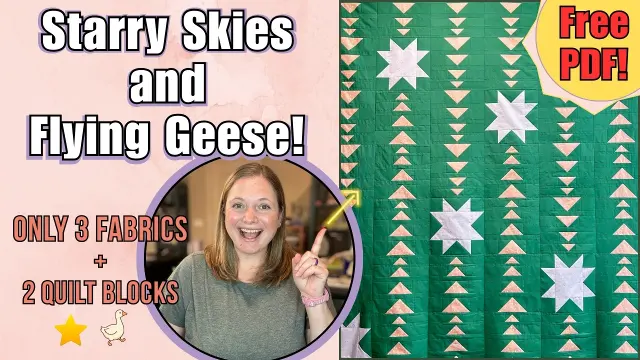
 Beginner Star Quilt Featuring Flying Geese
#Quilting
13 ideas
Beginner Star Quilt Featuring Flying Geese
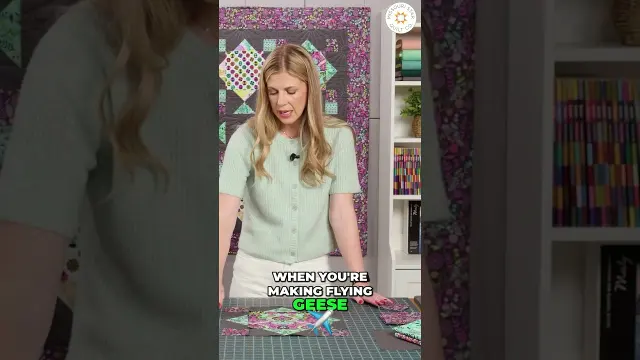 Why You Should Keep the Overlap on Flying Geese
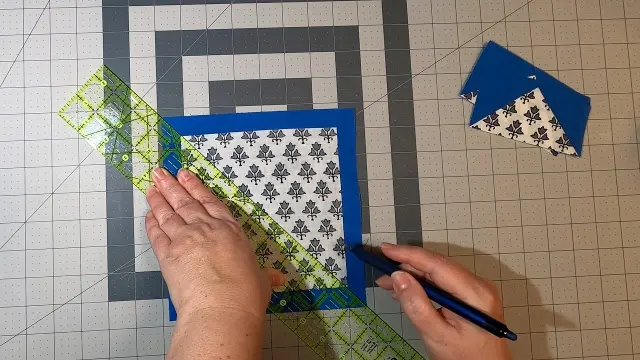 Fast Four at a Time Flying Geese Method
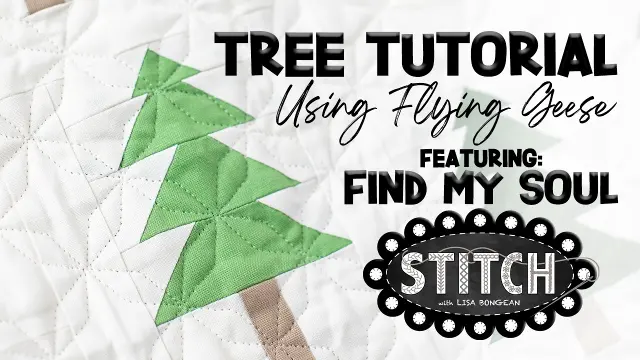 Wonky Tree Quilt Blocks Using Flying Geese
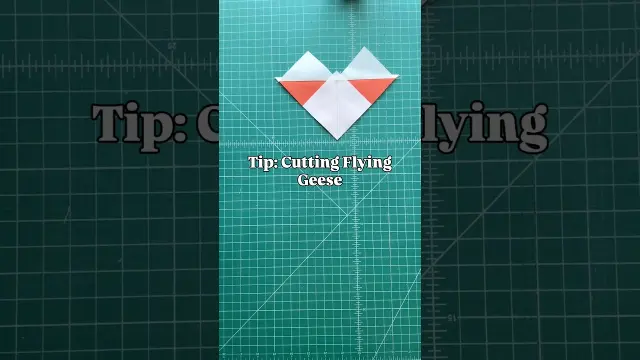 Quick Cutting Shortcut for Flying Geese Blocks
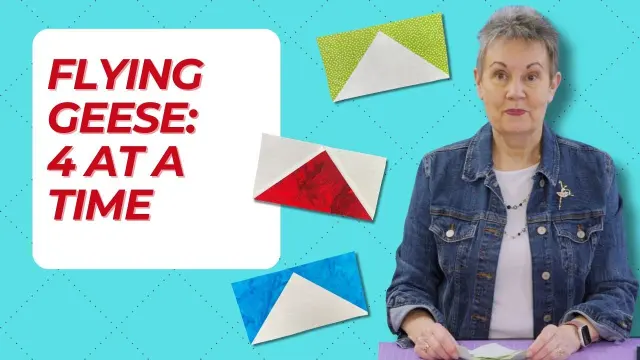 How to Make Four Flying Geese at Once
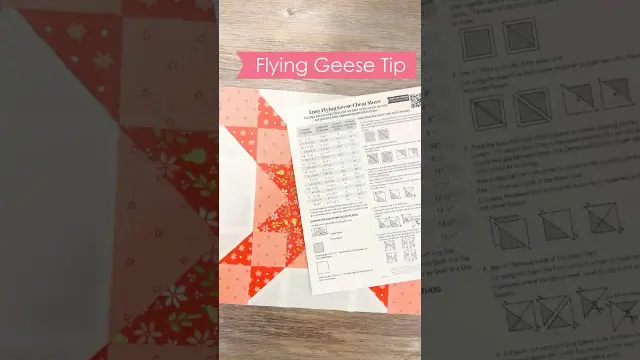 Fast and Accurate Flying Geese Quilting Method
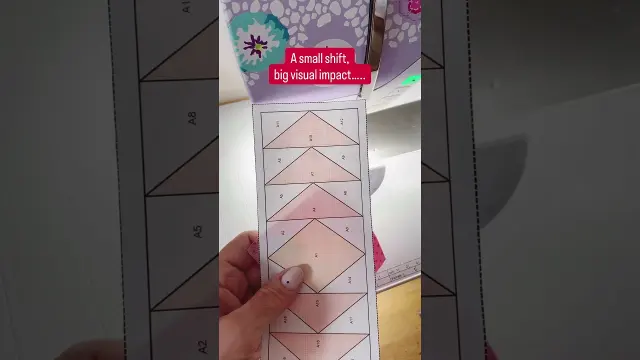 Diamond Layout Flying Geese Quilt Block Design
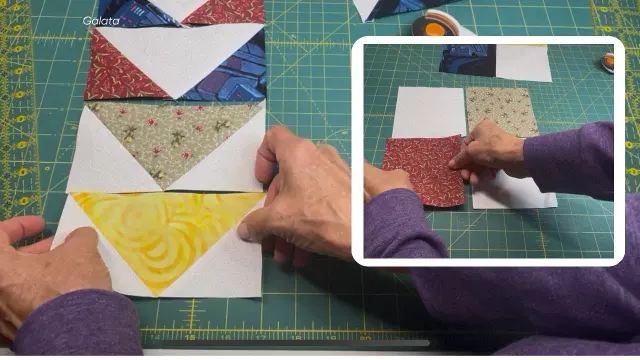 Fast Method for Making Eight Flying Geese
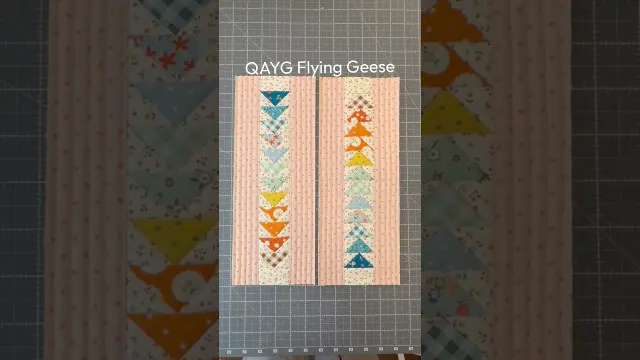 Quilt As You Go Flying Geese Tutorial
 Three Different Ways to Sew Flying Geese Blocks
 How to Sew Accurate Flying Geese Quilt Blocks
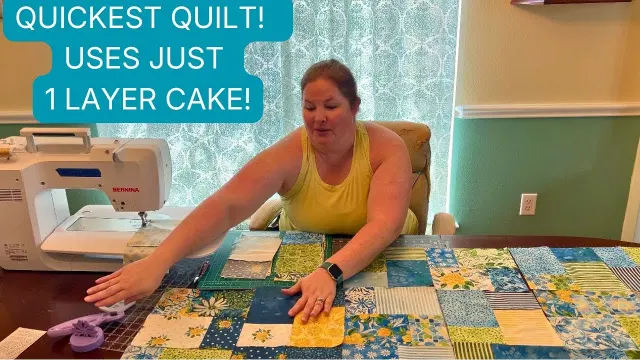 Double Slice Layer Cake Quilt Demonstration
Get new #Quilting ideas by email
Every Thursday: the week's best ideas, with the newest from #Quilting.
Related tags
Quilting Basics and Beautiful Patchwork
Quilting is the craft of stitching together layers of fabric to create a warm, durable textile. A quilt usually has three parts: a top layer made from fabric pieces or a single design, a middle layer of batting for loft and warmth, and a backing fabric on the back. The stitching that holds these layers together is also called quilting.
Quilting has a long history across many cultures. People have used layered and stitched textiles for warmth, comfort, decoration, and practical household use for generations. Today, quilting can be both a useful home craft and an expressive art form, ranging from traditional bed quilts to wall hangings, throws, table covers, and baby quilts.
Common kinds of quilting
Quilting can take many forms, but a few are especially familiar:
Read more
- Patchwork quilting: fabric pieces are cut into shapes and sewn together to make a patterned top
- Appliqué quilting: fabric shapes are placed on top of another fabric and stitched down
- Wholecloth quilting: the top is a single piece of fabric, with the interest coming from the stitching itself
- Crazy quilting: irregular fabric pieces are arranged in a decorative, often ornamental way
- Modern quilting: often uses strong shapes, open space, and a clean graphic look
- Traditional quilting: commonly relies on repeating blocks, borders, and classic patchwork layouts
Basic techniques
If you are new to quilting, it helps to understand the main steps. First, fabric is cut into shapes such as squares, strips, triangles, or blocks. These pieces are sewn into a quilt top. Then the batting and backing are layered with the top, and the three layers are secured with quilting stitches. Finally, the edges are finished with binding.
You can quilt by hand or by machine. Hand quilting creates a soft, delicate stitched texture and is often valued for its rhythmic, meditative feel. Machine quilting is usually faster and can produce both simple and detailed designs. Some people combine both methods in one project.
What beginners should know
Accuracy matters in quilting, especially when pieced blocks need to fit together neatly. A consistent seam allowance, careful cutting, and pressing seams as you go can make a big difference. It is also wise to start with a simple project so you can practice the basic steps without feeling overwhelmed.
A few helpful habits:
- Prewash fabrics if you want to reduce later shrinkage and color transfer
- Use a sharp rotary cutter or scissors for clean edges
- Press, rather than drag, the iron over seams to avoid stretching fabric
- Check your measurements often as you assemble blocks
- Baste layers securely before quilting so the quilt does not shift
Quilting as a creative craft
Quilting invites both structure and imagination. Some quilts are built from repeated blocks, while others use scraps, improv pieces, or hand-drawn arrangements. Color, scale, and contrast all change the final effect. Even a very simple block can look striking when repeated across a larger surface.
For your first quilts, choose fabrics that work well together and keep the design manageable. As you gain confidence, you can explore more complex piecing, curved seams, borders, and detailed quilting patterns. Whatever style you prefer, quilting rewards patience, practice, and careful stitching with something that is both useful and personal.
#Quilting: frequently asked questions
How do I start quilting as a complete beginner?
Start by learning the basic sequence: cut fabric into simple shapes, sew them into a top, layer the top with batting and backing, stitch the layers together, then bind the edges. Choose a small, straightforward project so you can practice each step without feeling swamped. Your first quilt will not be perfect, and that is a normal part of learning the craft.
What do I actually need to begin quilting?
You need fabric for the top and backing, batting for the middle layer, thread, and a way to cut and sew — a rotary cutter with a mat and ruler, or sharp scissors, plus a sewing machine or hand needles. A basic iron matters more than most beginners expect, since pressing seams as you go keeps blocks flat and accurate. Beyond that, extra notions like pins or clips for basting are helpful but not essential on day one.
Which kind of quilting should I choose for my first project?
Patchwork is usually the friendliest entry point because it teaches cutting, seam allowance and block assembly in a forgiving way, and simple repeated blocks look effective even when your skills are still developing. Wholecloth quilting suits people who want to focus purely on stitching rather than piecing, while appliqué and crazy quilting are better once you are comfortable handling fabric shapes. Modern and traditional styles are really about design preference rather than difficulty, so pick the look that keeps you motivated.
How do I care for a quilt so it lasts?
Prewashing your fabrics before piecing helps limit later shrinkage and color bleeding, which protects the finished quilt. Once it is made, wash gently with a mild detergent, avoid harsh bleaching or high heat, and dry it flat or on a low setting rather than tumbling it hard. Store quilts clean and out of direct sunlight, and fold them differently now and then so creases do not set along the same lines.
What are the most common beginner quilting mistakes?
The big ones are inconsistent seam allowances, cutting inaccuracy, and skipping the pressing — small errors multiply across a block and then across a quilt. Basting too loosely is another frequent problem, since layers that shift during quilting cause puckers that are hard to fix afterwards. Starting with an overly complex design is the last one; a simpler project lets you build accuracy before you take on curved seams and detailed piecing.
What can I make with quilting beyond a bed quilt?
Quilting scales down nicely into throws, baby quilts, table runners, wall hangings and cushion covers, which are good ways to try a pattern before committing to something large. Pieced blocks also work well as small decorative pieces or gifts, and repeating a single block across them makes a modest project look polished. For an occasion, a baby quilt or a throw in someone's preferred colors is a classic choice that feels personal without being complicated.
Videos come from YouTube and posts from Instagram; titles and summaries are our own. All rights belong to their creators.