 Seven AI Tools Every Small Business Should Try in 2026
#Small Business
9 ideas
Seven AI Tools Every Small Business Should Try in 2026
 Reviving a Failed Crochet Collection: Small Business Vlog
 From Layoff to Pilates Studio Owner at 24
 How to Run a Studio Without Doing Every Task Yourself
 Business Lessons From a New Private Pilates Studio Owner
 A Day in the Life of a Photography Studio Owner
 What a 22-Year-Old Dance Studio Owner Spends in a Week
 Overworked Yoga Studio Owner? What to Do Before You Hire
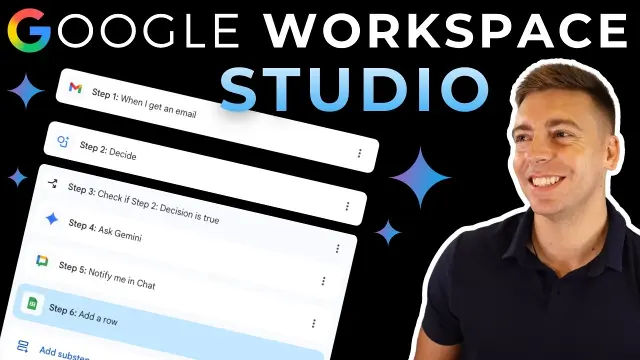 Google Workspace Studio Tutorial: Agentic AI Platform Overview
Get new #Small Business ideas by email
Every Thursday: the week's best ideas, with the newest from #Small Business.
Related tags
Small Business: A Guide to Starting and Running One
A small business is an enterprise owned and run independently, usually serving a local or specialist audience with a team small enough that the owner still knows everyone by name. The line between small and large varies by country and industry, and is often drawn by headcount, revenue or the number of locations a company operates. What stays constant is the shape of the thing: few layers between the person making the decisions and the person being served.
Where the idea comes from
Buying and selling as an individual or a family is as old as commerce itself. What is newer is the category. As large industrial companies grew, "small business" became a way of describing the firms that stayed local, owner-managed and personally accountable — and, in time, a subject of public interest, since these enterprises provide most employment and hold together many communities. Trade associations, chambers of commerce and advisory services now exist largely to support them.
The main structures
The legal form you choose shapes your taxes, your liability and how easily you can bring in partners later.
- Sole proprietorship: one owner, simple to start, but your personal finances are not separated from the business by law.
- Partnership: two or more people sharing ownership, profit and responsibility, ideally under a written agreement.
- Limited company: a separate legal entity, more paperwork, but with liability generally limited to the company.
- Cooperative: owned and governed by its members, common in agriculture, retail and services.
Read more
What beginners should get right early
Most small businesses do not fail because the idea was bad. They fail because the money ran out, the pricing was too low, or the founder ran out of energy before the work became steady. The habits that prevent this are unglamorous and worth starting on day one.
- Keep business money and personal money in separate accounts, and pay yourself a defined amount.
- Understand cash flow, not just profit. Money owed to you is not money you can spend yet.
- Price for the whole cost of doing the work: materials, your time, taxes, and the quiet months.
- Register the business, and learn the local rules on tax, licences, hygiene, insurance and data.
- Write things down — quotes, agreements, expenses — even when the other party is a friend.
- Keep a simple set of records you actually maintain, rather than an elaborate one you abandon.
Building something that lasts
Customers stay for reliability more than for brilliance. Answer messages, deliver when you said you would, and say so plainly when something goes wrong; a mistake handled well creates more loyalty than a smooth transaction.
Be careful about growing quickly. Hiring your first employee or signing a lease for a bigger space turns fixed costs into permanent ones, and it is worth waiting until the demand is clearly repeatable rather than a good month. And protect your own time — the owner who does every task is the owner who cannot step back to plan, sell or rest. Find a small circle of other owners to talk to; nobody understands the particular weight of running your own thing quite like someone doing the same.
#Small Business: frequently asked questions
How do I start a small business from scratch?
Begin with a clear service or product, then choose a simple structure and register it according to your local rules. Keep your records organized from the start, separate business money from personal money, and make sure you understand any licences, tax, or insurance requirements that apply.
What kind of small business is easiest for a beginner to choose?
The best choice is usually one that matches your skills, your budget, and the kind of customers you can reach consistently. Many beginners start with a simple owner-run setup because it is easier to manage, while others choose a partnership, a company, or a cooperative if they need shared ownership or a more formal setup.
What do I need to run a small business well day to day?
You need a practical system for money, records, communication, and delivery. It helps to write down agreements, track expenses and income, answer customers reliably, and keep a simple process you can actually maintain.
How can I make my small business last without burning out?
Focus on steady habits rather than trying to do everything perfectly at once. Delegate or simplify where you can, protect your time for planning as well as doing the work, and build routines that help you stay consistent even when business is busy or slow.
What are common mistakes new small business owners make?
A frequent mistake is underpricing, especially when people forget to include their time and all the hidden costs of doing the work. Another common problem is confusing cash flow with profit, or growing too quickly before demand is steady and repeatable.
Videos come from YouTube and posts from Instagram; titles and summaries are our own. All rights belong to their creators.