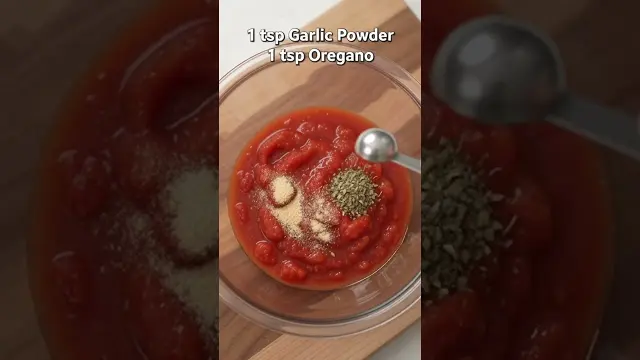
 No-Cook Pizza Sauce From Pantry Staples in Minutes
#Tomato Sauce
2 ideas
No-Cook Pizza Sauce From Pantry Staples in Minutes
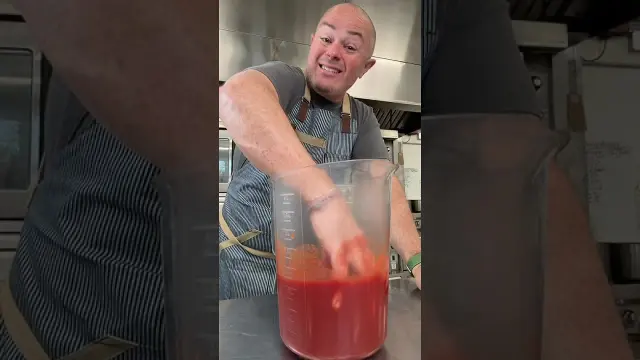 Culinary School Marinara With Onion, Garlic and Basil
Get new #Tomato Sauce ideas by email
Every Thursday: the week's best ideas, with the newest from #Tomato Sauce.
Related tags
Tomato Sauce: A Guide to the Home Kitchen Staple
Tomato sauce is one of the quiet foundations of home cooking: a sauce built from tomatoes, cooked or uncooked, savoury and slightly sweet, used to dress pasta, spread on pizza dough, simmer with meat, or spoon over vegetables and eggs. It is at once a specific thing and a broad family of things, which is why recipes for it vary enormously and why almost every cook ends up with a personal version.
Where it comes from
Tomatoes are native to the Americas and reached Europe only after the sixteenth century, where they were grown for a long time as ornamental plants before cooks began treating them as food. Sauces based on them took hold in Mediterranean kitchens and eventually spread worldwide. The idea behind them is practical: tomatoes are acidic, watery and full of natural sugars, and cooking them down concentrates their flavour and turns them into something that keeps, coats and carries other ingredients.
The main kinds
Read more
Broadly, tomato sauces fall into two camps. Cooked sauces are simmered, sometimes for a long time, until they thicken and lose their raw edge; long-simmered ragù-style sauces with meat, and simple garlic-and-oil sauces, both belong here. Uncooked sauces rely on ripe tomatoes crushed or chopped and left to sit with salt, oil and herbs, letting the ingredients come together without heat. In between sit quick sauces, cooked just long enough to soften garlic and warm the tomatoes through.
From there the variations multiply: smooth or chunky, with onion, carrot or celery as a base, seasoned with basil, oregano, chilli or fennel, enriched with butter or olive oil, or left bare.
What beginners should know
Choose the right tomatoes. Ripe, in-season tomatoes give the best fresh sauce, but good tinned tomatoes are dependable year-round and often better than tired fresh ones. If using tinned whole tomatoes, crush them by hand; the texture is better than machine-chopped.
Salt early and taste often. Tomatoes need more salt than you expect, and their flavour changes as they cook. A pinch of sugar can soften sharpness, but taste before adding it.
Keep the heat gentle and give it time. A slow simmer with the lid slightly ajar lets a sauce thicken naturally and sweeten. Stir now and then so the bottom does not catch.
Do not overcrowd the flavour. Garlic burns quickly; add it to warm, not smoking, oil. Herbs added near the end keep their fragrance.
Practical tips
Make more than you need. Tomato sauce freezes well in portions and keeps for several days in the refrigerator, so it pays to cook a large batch. Use it as a base rather than a finished dish: a spoonful stirred into beans, a layer in a bake, a quick dressing for roasted vegetables.
Finally, treat any recipe as a starting point. Tomato sauce rewards attention rather than precision, and the version you make repeatedly, adjusted to what is in your kitchen, is the one worth keeping.
#Tomato Sauce: frequently asked questions
How do I get started making tomato sauce at home?
Start with a simple sauce: tomatoes, olive oil, a little garlic and salt, cooked gently until it thickens and tastes sweet rather than raw. Don't aim for a definitive version on the first try — make it, taste as you go, and adjust the next time. Once the basic method feels familiar, adding onion, herbs or chilli becomes easy.
What do I actually need to make a good tomato sauce?
A heavy pan, a wooden spoon and decent tomatoes will take you most of the way, plus salt, oil and whatever aromatics you like. Ripe in-season tomatoes are ideal for fresh sauce, but good tinned tomatoes are dependable at any time of year and often beat tired fresh ones. If you use whole tinned tomatoes, crush them by hand for a better texture than chopping.
Which kind of tomato sauce should I choose — cooked, uncooked or quick?
It depends on what you're making and how much time you have: uncooked sauces suit ripe summer tomatoes and dishes where freshness matters, while long-simmered sauces give depth and are worth the wait for a Sunday-style meal. Quick sauces sit in between, cooked just long enough to soften garlic and warm the tomatoes through. Think of the sauce as serving the dish rather than as a fixed recipe.
How should I store tomato sauce, and how long does it keep?
Tomato sauce freezes beautifully in portions and also keeps well in the refrigerator for a short while, so cooking a large batch pays off. Cool it before storing, and label portions so you can pull out exactly what you need later. Reheat gently, adding a splash of water if it has thickened too much.
What are some good ways to use tomato sauce beyond pasta?
Treat it as a base rather than a finished dish: stir a spoonful into beans or a soup, spread it under cheese in a bake, or use it to dress roasted vegetables and eggs. A no-cook version works well spread thinly on pizza dough, and a simmered one makes a quick braise for meat or vegetables. It also lifts a simple sandwich or a bowl of grains.
What mistakes should I avoid when making tomato sauce?
The usual culprits are too much heat and too little salt: garlic burns in smoking oil and turns bitter, and tomatoes need more seasoning than you expect, added early and tasted as you go. Don't crowd the pan with too many strong flavours, and add delicate herbs near the end so they keep their fragrance. Stir now and then so the bottom doesn't catch, and keep the lid slightly ajar so the sauce can thicken.
Videos come from YouTube and posts from Instagram; titles and summaries are our own. All rights belong to their creators.