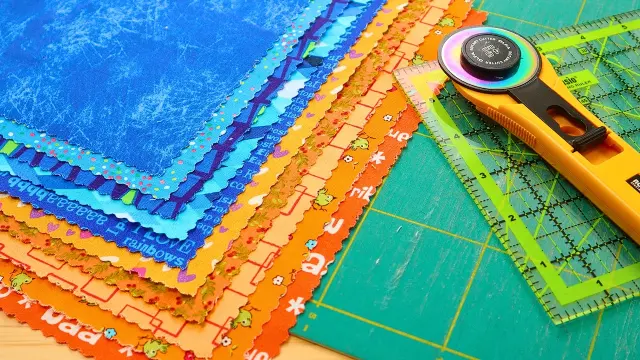
 Fast and Simple One-Block Layer Cake Quilt Tutorial
#Beginner Quilting
24 ideas
Fast and Simple One-Block Layer Cake Quilt Tutorial
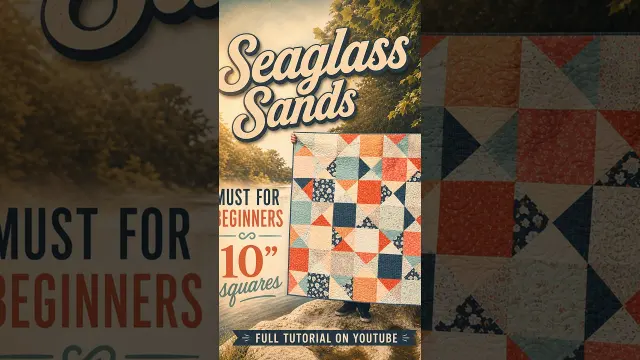 Fast Scrappy Hourglass Quilt Pattern for Layer Cake Squares
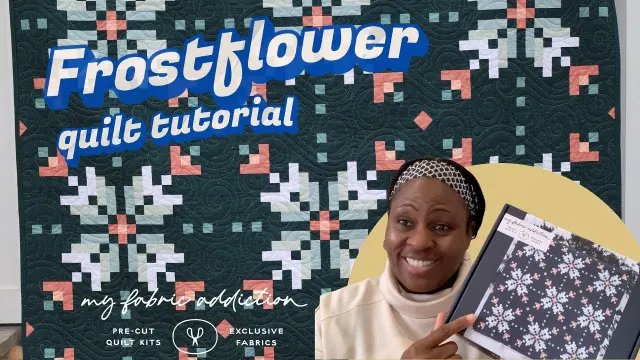 Step-by-Step Tutorial for the Frostflower Quilt Kit
 Five Essential Things to Know Before Making Your First Quilt
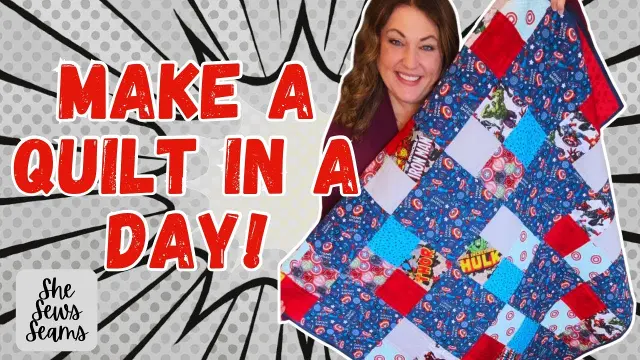 Fast Four Patch Baby Quilt Tutorial for New Sewists
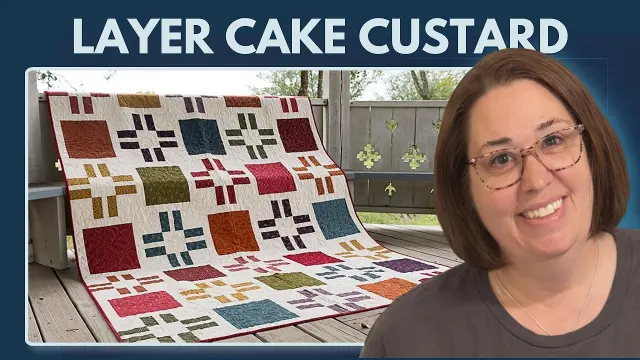 Starting the Layer Cake Custard Quilt Step by Step
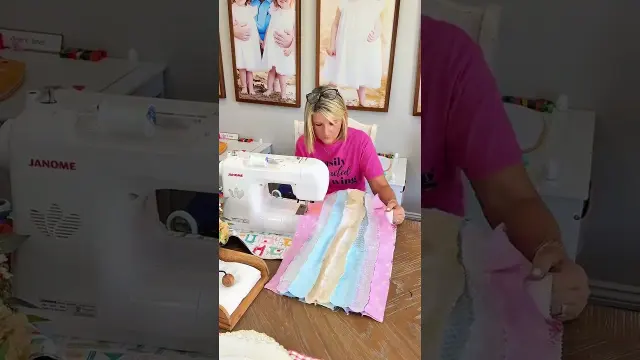 Super Easy Jelly Roll Race Quilt Tutorial for New Sewists
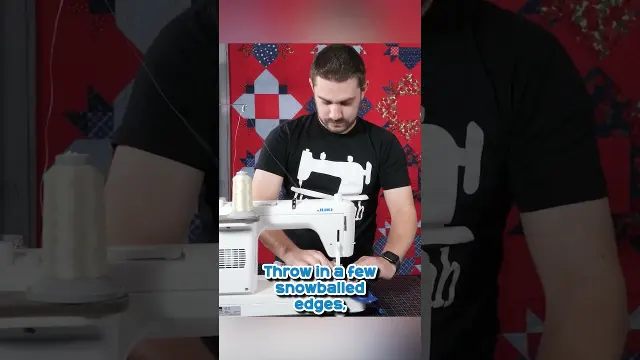 Free Beginner-Friendly Precut Quilt Pattern
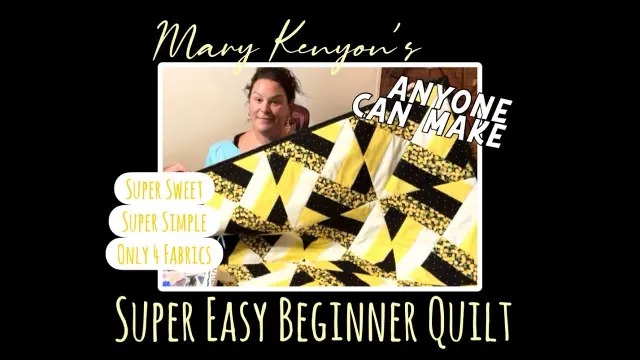 Easy and Impressive Scrappy Baby Quilt Tutorial
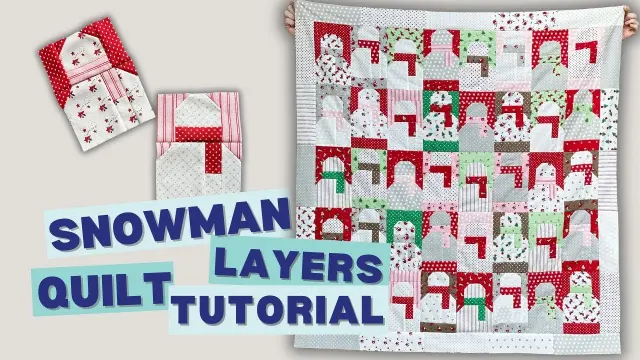 Snowman Layers Quilt Tutorial with One Layer Cake
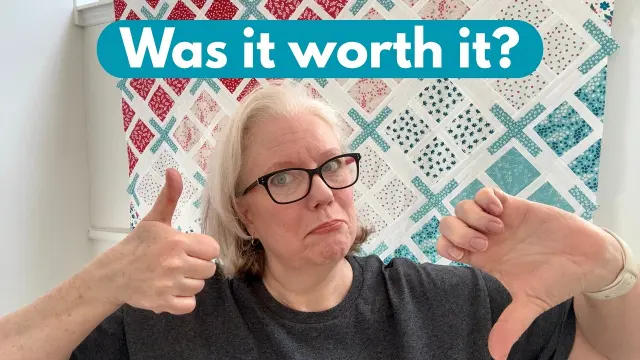 Sewing the Skylight Quilt with a Precut Kit
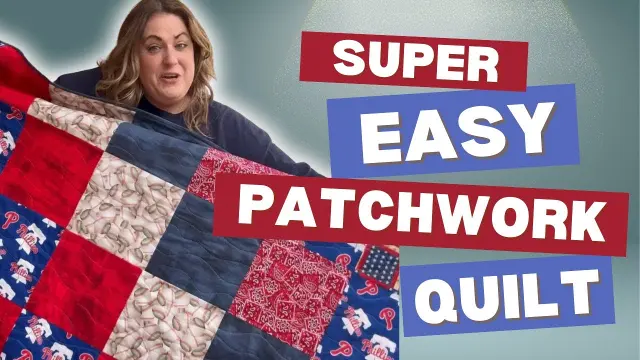 Step-by-Step Simple Themed Patchwork Quilt for Beginners
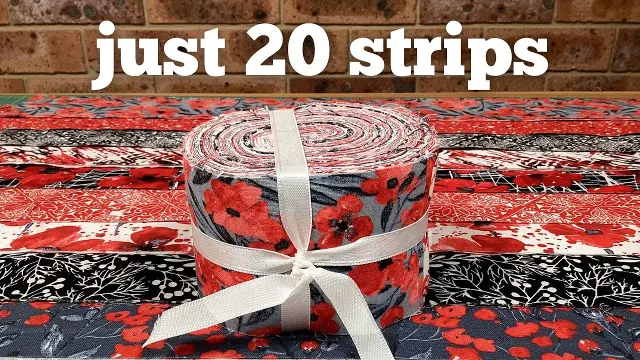 Fast and Easy Jelly Roll Baby Quilt Made in One Day
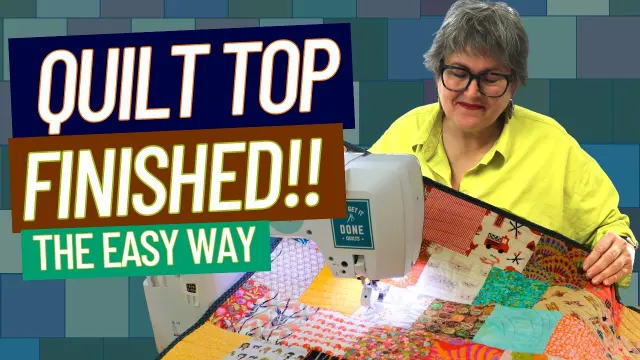 Complete Guide to Finishing and Binding Your First Quilt Top
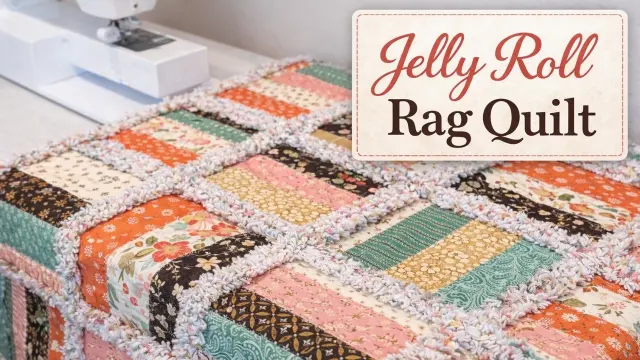 Easy Step-by-Step Jelly Roll Rag Quilt Assembly Guide
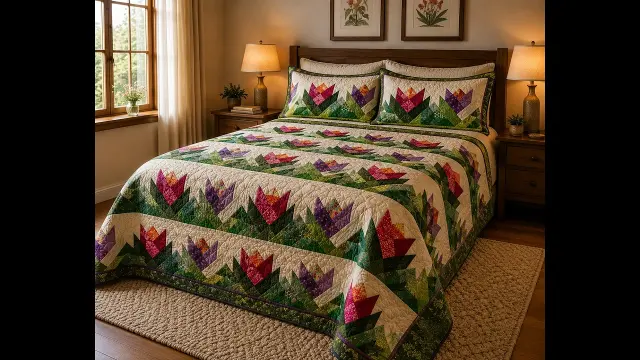 Simple Tulip Quilt Block Pattern and Layout Idea
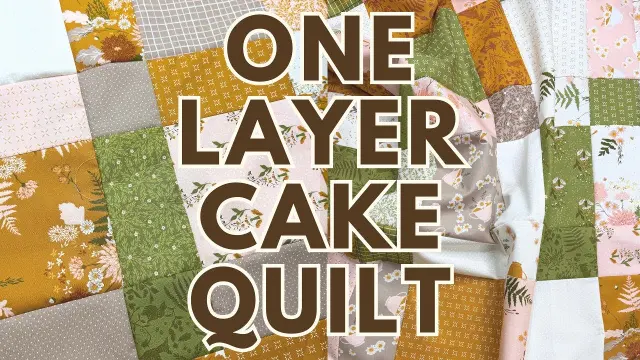 Make a Throw Quilt Using Just One Layer Cake
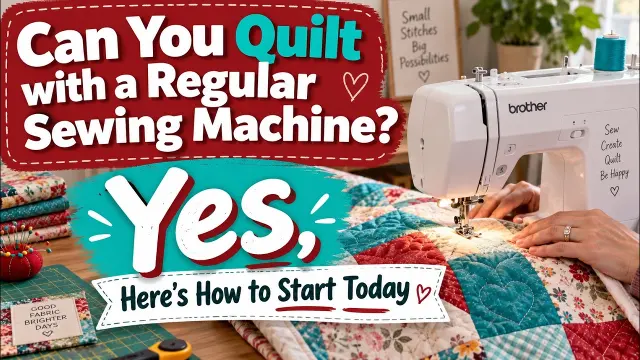 How to Start Quilting Successfully on a Regular Sewing Machine
 Precut Fabrics Versus Yardage for Beginner Quilters
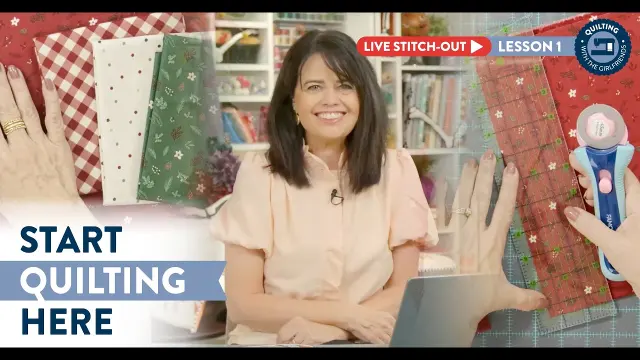 Introduction to Essential Fabric Cutting Skills for Quilters
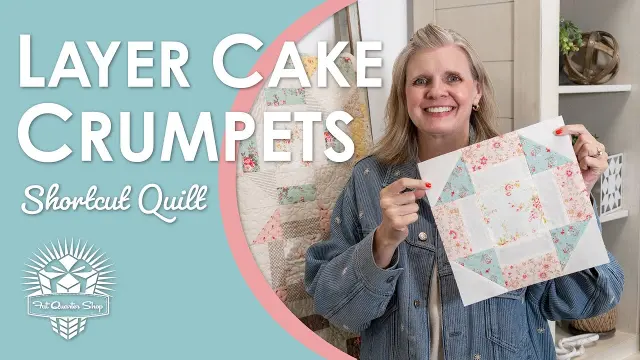 Easy Layer Cake Crumpets Quilt Tutorial
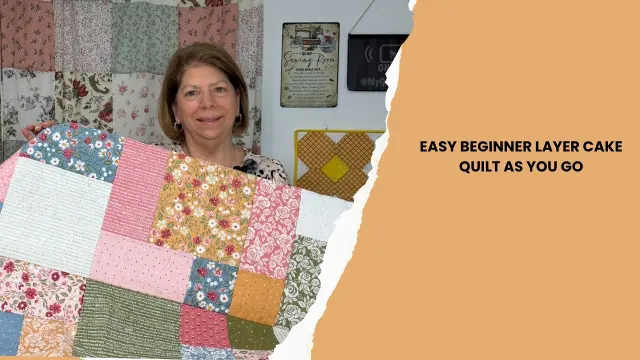 Easy Beginner Friendly Layer Cake Quilt Tutorial
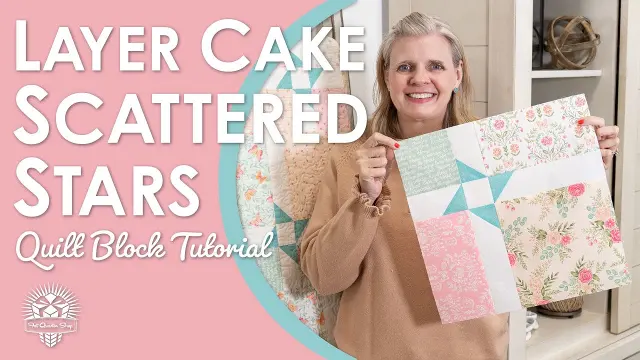 Layer Cake Scattered Stars Beginner Quilt Tutorial
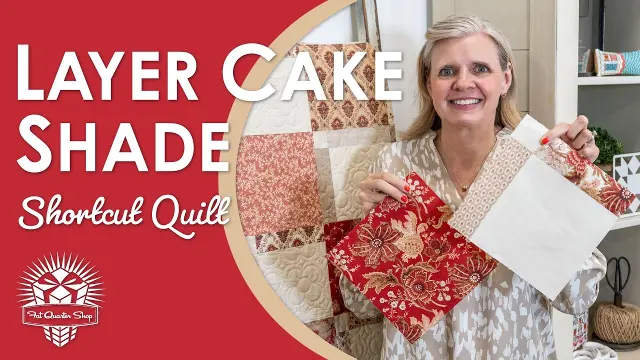 Layer Cake Shade Quilt Tutorial and Free Pattern
Get new #Beginner Quilting ideas by email
Every Thursday: the week's best ideas, with the newest from #Beginner Quilting.
Collections
Related tags
Beginner Quilting Basics and First Steps
What quilting is
Quilting is the craft of sewing layers of fabric together to make a padded textile. A quilt usually has three parts: the quilt top, a middle layer of batting, and a backing fabric. These layers are stitched together in a pattern, both to hold them in place and to add texture and decoration. Quilting has a long history in many cultures, and it has been used for warmth, comfort, and practical household making, as well as for creative expression.
Getting started
If you are new to quilting, the best first project is one with simple shapes and straight seams. Squares and rectangles are easier to handle than curves or complex piecing, and they help you get comfortable with measuring, cutting, and sewing accurately. A small project, such as a cushion cover or a baby-sized quilt, can be a good way to practice without feeling overwhelmed.
Read more
You do not need a large collection of tools to begin. Basic supplies usually include fabric, thread, a sewing machine or hand-sewing needles, scissors or a rotary cutter, pins or clips, a ruler, and an iron. Accuracy matters in quilting, but perfection is not the goal at the beginning. Learning how fabric behaves is part of the process.
Common quilting styles
There are many ways to make a quilt, but beginners often start with these approaches:
- Patchwork: small pieces of fabric sewn together to form a larger design
- Appliqué: shapes added on top of a background fabric
- Wholecloth quilting: a quilt made from a single piece of fabric on top, with texture created mainly by the stitching
- Hand quilting: stitching the layers together by hand
- Machine quilting: stitching the layers together with a sewing machine
Patchwork is especially popular for beginners because it teaches the foundations of cutting and piecing while leaving room for creativity.
Simple techniques to learn
A few basic skills will help you build confidence:
- Cutting fabric straight and accurately
- Sewing a consistent seam allowance
- Pressing seams as you go
- Matching corners and points
- Layering the quilt top, batting, and backing smoothly
- Quilting in straight lines or simple patterns
Pressing, rather than dragging the iron, helps keep pieces flat and neat. Taking time to square up your blocks and check measurements can make assembly much easier later.
Practical tips for beginners
Choose fabrics that are easy to work with and that contrast clearly, so your patchwork design shows up well. Wash and press your fabric if that fits the type you are using, especially if you want to reduce later shrinkage. Keep your first pattern simple, and read it through before cutting anything. It also helps to make a test block if you want to check the size and technique first.
If something is slightly uneven, do not be discouraged. Quilting often improves with practice, and small imperfections can add character. Focus on learning the process step by step: cut carefully, sew steadily, press well, and enjoy building your skills one project at a time.
#Beginner Quilting: frequently asked questions
How do I start quilting if I have never sewn before?
Begin with a small project built from simple shapes, such as a cushion cover or a baby-sized quilt, so you can practise measuring, cutting and straight stitching without a long commitment. Read your pattern all the way through before you cut any fabric, and consider making a single test block first to check that your sizing and technique work. The aim at this stage is learning how fabric behaves, not producing a flawless heirloom.
What do I really need to buy to make my first quilt?
A modest kit is enough: fabric, thread, a sewing machine or hand-sewing needles, scissors or a rotary cutter, pins or clips, a ruler and an iron. Precut fabric bundles are a convenient shortcut because the cutting is already done, though yardage gives you more freedom over colour and print. You can add specialised tools later once you know which steps you enjoy.
Which kind of quilting is easiest for a beginner?
Patchwork is the usual starting point, since it teaches cutting and piecing while leaving plenty of room for your own colour choices, and squares or rectangles avoid the challenges of curves. Wholecloth quilting is another gentle option because the top is a single piece of fabric and the interest comes entirely from the stitching. Appliqué and hand quilting are lovely but reward a little experience first.
What mistakes do new quilters make most often?
Cutting fabric without checking the pattern, skipping the pressing between steps, and sewing seams at an inconsistent width are the usual culprits, and all three throw off how neatly blocks line up later. Another common one is choosing fabrics with such similar values that the design disappears once pieced. Slightly uneven corners are normal at first, so treat them as part of learning rather than a failure.
What kind of first project gives a good result without being overwhelming?
Small and repetitive is the sweet spot — a four-patch baby quilt, a scrappy cushion, or a simple themed patchwork piece made from precut squares all let you finish something real in a reasonable time. Kits and precut patterns are helpful here because the fabric is coordinated and the cutting is already done. Finishing a small project teaches you the whole process, from layering to the final stitching.
How do I look after a quilt once it is finished?
Wash it gently in cool water with a mild detergent, and check the fabric and batting instructions first, since some materials shrink or bleed more than others. Dry it flat or on a low setting rather than in strong heat, and keep it out of prolonged direct sunlight to slow fading. Giving it a light press and storing it folded away from damp will keep it in good shape between uses.
Videos come from YouTube and posts from Instagram; titles and summaries are our own. All rights belong to their creators.