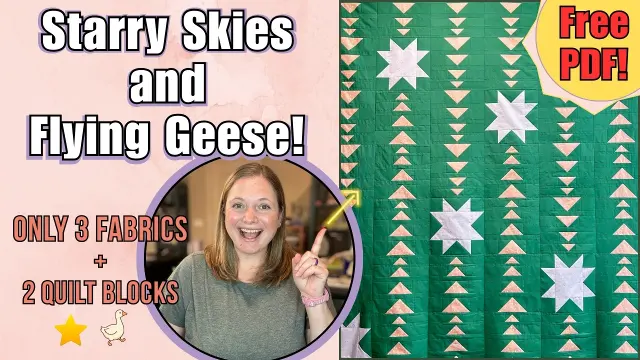
 Beginner Star Quilt Featuring Flying Geese
#Beginner Sewing
5 ideas
Beginner Star Quilt Featuring Flying Geese
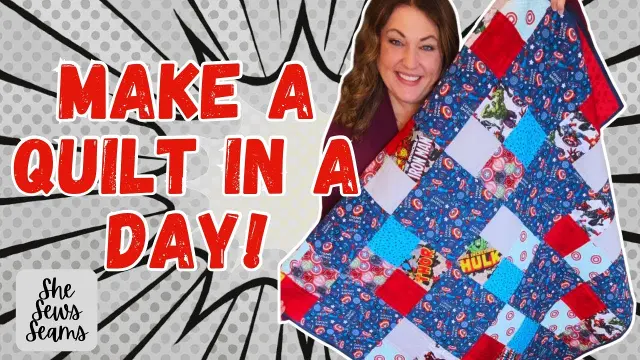 Fast Four Patch Baby Quilt Tutorial for New Sewists
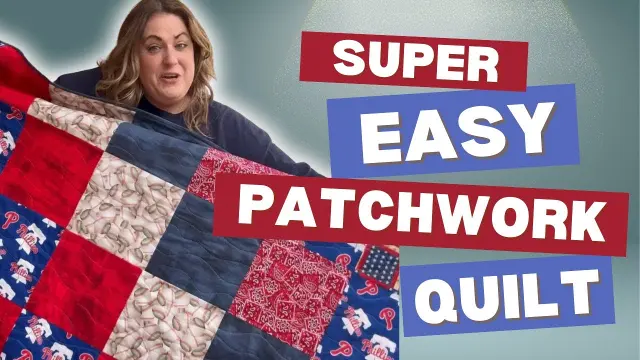 Step-by-Step Simple Themed Patchwork Quilt for Beginners
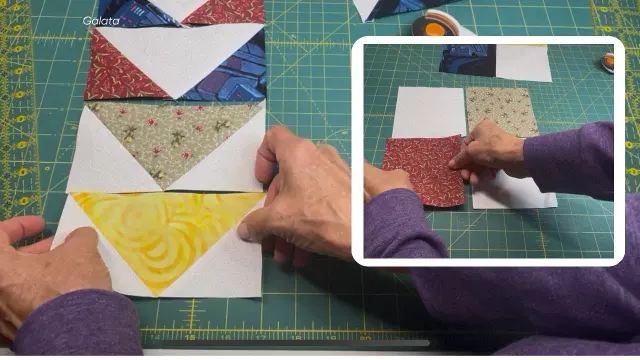 Fast Method for Making Eight Flying Geese
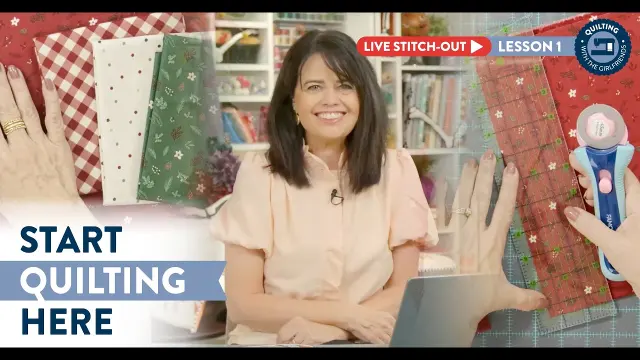 Introduction to Essential Fabric Cutting Skills for Quilters
Get new #Beginner Sewing ideas by email
Every Thursday: the week's best ideas, with the newest from #Beginner Sewing.
Related tags
Beginner Sewing: A Gentle Start
Sewing is the craft of joining fabric with thread to make, mend, or decorate clothing, home textiles, and many other useful things. It has been part of everyday life for a very long time, first as a hand skill and later with the help of sewing machines. For beginners, sewing is less about perfection and more about learning how fabric behaves, how stitches hold, and how to work carefully and patiently.
Getting started
If you are new to sewing, begin with the simplest possible materials and shapes. Stable woven fabrics are usually easier to handle than very slippery or stretchy ones. Cotton is a common choice for practice because it is easy to cut, press, and stitch. Start with small projects such as a cushion cover, tote bag, napkins, or simple patchwork pieces. These help you learn basic skills without too many complicated steps.
A few basic tools make sewing easier:
- Fabric scissors or shears for clean cuts
- Pins or clips to hold pieces in place
- A measuring tape or ruler
- Chalk or a fabric marker for marking
- Needles and thread for hand sewing
- A sewing machine, if you want to sew faster and make longer seams
Read more
Basic skills to learn
The first skills are simple but important. You will want to learn how to measure fabric accurately, cut straight lines, and sew an even seam allowance. Pressing with an iron is also a big part of good sewing, because it helps fabric lie flat and makes seams easier to join. If you are using a machine, practice stitching on scraps first so you can get used to guiding the fabric steadily.
Hand sewing is useful too. A few basic stitches can take you a long way, especially for repairs and finishing details. Even if you plan to use a machine, hand sewing helps you understand stitch length, tension, and the way thread secures fabric.
Common beginner projects
Simple projects are the best way to build confidence. Patchwork is especially helpful because it teaches accurate cutting and sewing straight seams. Quilted pieces, baby blankets, simple pouches, and small household items are also good practice. As you improve, you can try projects with more pieces, curves, darts, zippers, or hems.
Do not worry if your first work looks uneven. Sewing improves with repetition, and every project teaches something useful. Mistakes are part of the process, and they often show you where to slow down or measure more carefully.
Helpful habits
A few habits make sewing much easier:
- Prewash fabric if the finished item needs to be washed later
- Keep your tools in one place so you can find them quickly
- Read the pattern or instructions all the way through before starting
- Test stitches on scraps before sewing your project
- Take your time, especially when cutting and matching pieces
Most of all, sewing rewards patience. When you start with simple shapes and practical techniques, you build a strong foundation for everything that comes next.
#Beginner Sewing: frequently asked questions
How do I start sewing if I’m a complete beginner?
Start with a very simple project and focus on learning the basics rather than making everything perfect. Small items like a tote bag, cushion cover, or simple patchwork piece are great for practicing straight seams, cutting, and pressing.
What do I need to begin sewing at home?
You only need a few basic tools to get started: fabric scissors, pins or clips, a measuring tool, marking chalk or a fabric marker, needles, and thread. A sewing machine can help you sew faster, but hand sewing is enough for many beginner projects and repairs.
What kind of fabric is easiest for a beginner to sew?
Stable woven fabrics are usually the easiest because they are less slippery and easier to control. Cotton is a popular choice for practice since it cuts neatly, presses well, and behaves predictably under the needle.
What are the best beginner sewing projects to try first?
Simple patchwork, small pouches, napkins, baby blankets, and easy quilt blocks are all good choices. Projects with straight seams and simple shapes help you build confidence before moving on to curves, zippers, or darts.
How do I care for fabric before and during a sewing project?
If the finished item will be washed later, prewash the fabric first so it won’t shrink afterward. It also helps to press fabric as you go, keep your tools organized, and test stitches on scraps before sewing the final piece.
What are the most common mistakes beginners make when sewing?
A common mistake is rushing through cutting or skipping the step of reading instructions all the way through first. Beginners also often sew too fast or skip practice on scraps, but taking your time helps you keep seams even and avoid frustration.
Videos come from YouTube and posts from Instagram; titles and summaries are our own. All rights belong to their creators.