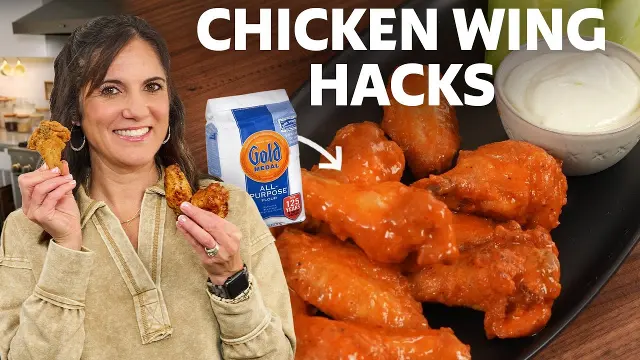
 Eight Reliable Ways to Cook Chicken Wings at Home
#Cooking Techniques
6 ideas
Eight Reliable Ways to Cook Chicken Wings at Home
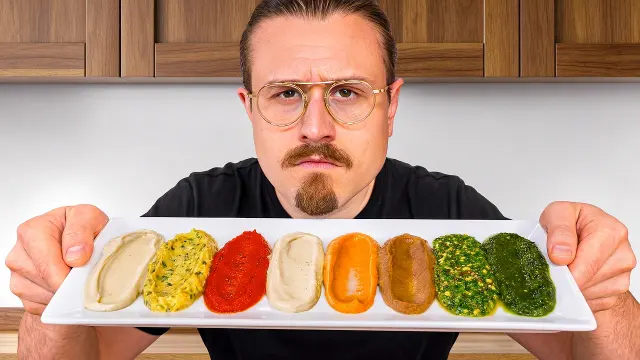 Modern Mother Sauces Worth Learning by Heart
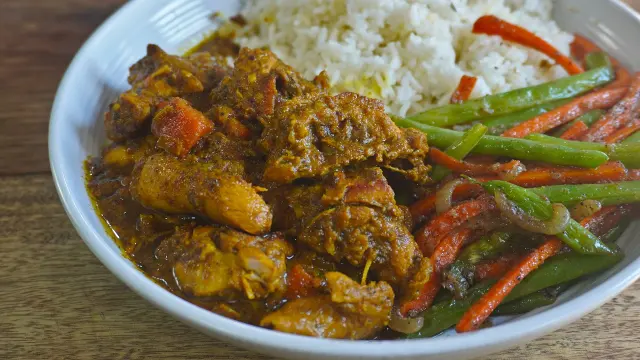 Why Burning the Curry Powder Matters in Jamaican Curry Chicken
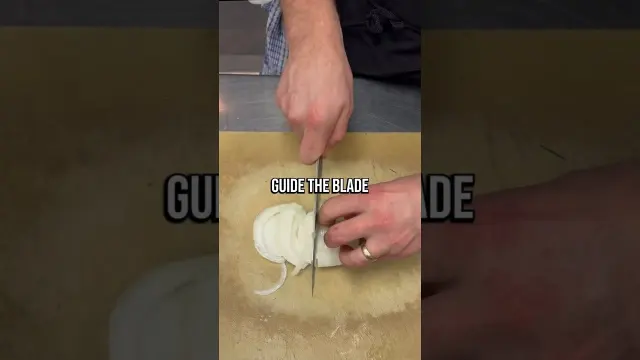 Every Knife Skill You Need to Learn in the Kitchen
 25 Food Hacks Every Home Cook Should Know
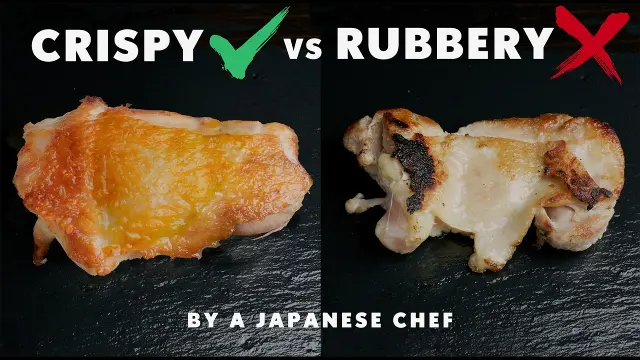 Professional Japanese Chef Technique For Crispy Chicken Thighs
Get new #Cooking Techniques ideas by email
Every Thursday: the week's best ideas, with the newest from #Cooking Techniques.
Related tags
Cooking Techniques for Home Cooks
Cooking techniques are the methods you use to turn raw ingredients into finished food. Some techniques are very old, passed down through kitchens and families for generations, while others are simply practical ways of using heat, moisture, fat, and time to change the texture and flavor of food. If you understand the main techniques, you can cook with more confidence, follow recipes more easily, and adapt when you do not have exact instructions.
Why cooking techniques matter
A good technique helps you control how food cooks. It can make vegetables tender without turning them mushy, meat juicy instead of dry, and baked goods light rather than heavy. The same ingredient can taste very different depending on whether you roast, braise, sauté, steam, or fry it. Learning the method matters just as much as learning the recipe.
Common cooking methods
Read more
- Dry-heat methods use hot air or hot surfaces with little or no liquid. Examples include roasting, baking, grilling, broiling, sautéing, and pan-frying.
- Moist-heat methods use water, stock, steam, or another liquid. Examples include boiling, simmering, steaming, poaching, and braising.
- Combination methods start with one type of heat and finish with another, often to build flavor and then soften the food. Braising and stewing are common examples.
- Enriched methods use fat to shape flavor and texture. Stir-frying, shallow-frying, and deep-frying all fall into this group.
A few essential techniques
Sautéing means cooking food quickly in a small amount of fat over medium to high heat. It works well for vegetables, aromatics, and small pieces of meat or fish. The key is to keep the food moving enough to prevent burning, but not so much that it cannot brown.
Roasting and baking both use dry oven heat, though roasting is usually used for savory foods and baking for breads, cakes, and other pastries. These methods are useful because they create browning and a deep, concentrated flavor.
Simmering is gentle cooking in liquid just below a boil. It is ideal for soups, sauces, grains, and tough cuts of meat that need time to soften. Boiling is more vigorous and best for pasta, potatoes, and some vegetables, though it can be too harsh for delicate foods.
Steaming cooks food with hot vapor rather than direct liquid. It is a gentle method that helps preserve shape and delicate flavor, especially for vegetables, dumplings, and fish.
Braising combines browning with slow cooking in a covered pot with some liquid. It is one of the most useful techniques for turning less tender cuts into something soft and flavorful.
What beginners should know
Start with heat control. Many cooking problems come from heat that is too high or too low. Preheat pans and ovens when needed, but do not rush food into a pan before it is ready. Give ingredients space so they can brown instead of steaming.
Salt and timing also matter. Seasoning at the right stage can improve flavor throughout the dish, not just at the end. Taste as you go when it is safe to do so, and adjust gradually.
Cutting food into even pieces helps it cook evenly. A sharp knife and a little patience make a bigger difference than many beginners expect.
Practical tips
- Learn one technique at a time and practice it with simple ingredients.
- Pay attention to color, smell, and texture, not just the clock.
- Use the right pan, pot, or tray for the job.
- Let meat rest after cooking when a recipe calls for it.
- Keep notes on what worked so you can repeat it.
Once you understand the basics, cooking techniques stop feeling like separate rules and start working together. That is when you can cook more freely, trust your judgment, and make everyday food taste much better.
#Cooking Techniques: frequently asked questions
How do I start learning cooking techniques as a beginner?
Start with one simple method at a time, such as sautéing, simmering, or roasting, and practice it with easy ingredients. Focus on heat control, even cutting, and watching color, smell, and texture so you learn how food changes as it cooks.
What basic tools do I need to practice cooking techniques at home?
You do not need a lot to begin, but a good knife, a sturdy pan, a pot with a lid, and a baking tray will cover many common methods. Using the right tool for the job helps food cook more evenly and makes each technique easier to control.
Which cooking technique should I choose for vegetables, meat, or baked foods?
Choose the method based on the result you want. Steam or simmer vegetables for a gentler finish, roast or braise meat for deeper flavor and tenderness, and bake breads, cakes, or pastries when you want dry oven heat and structure.
How can I keep food from overcooking or turning out unevenly?
Keep the heat appropriate for the method and do not overcrowd the pan, because too much food can trap moisture and prevent browning. Cutting ingredients into similar sizes also helps them cook at the same pace.
What are the most common mistakes people make when learning cooking techniques?
A few frequent mistakes are using heat that is too high, adding food before the pan or oven is ready, and seasoning too late. Another common issue is moving the food too much, which can stop it from browning properly.
Videos come from YouTube and posts from Instagram; titles and summaries are our own. All rights belong to their creators.