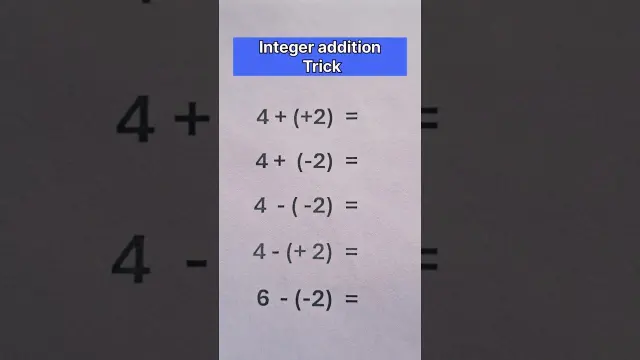
 Mastering Integer Addition and Subtraction with Simple Tricks
#Math Tricks
36 ideas
Mastering Integer Addition and Subtraction with Simple Tricks
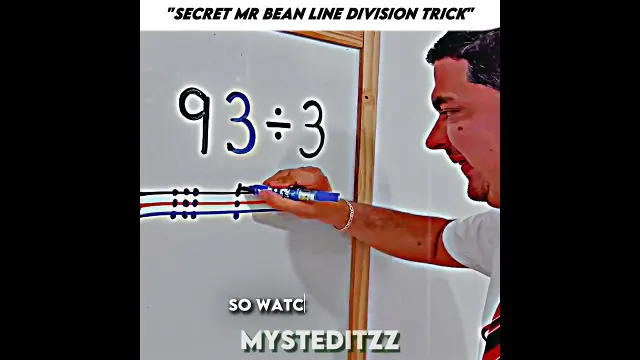 Visual Division Method Using Horizontal and Vertical Lines
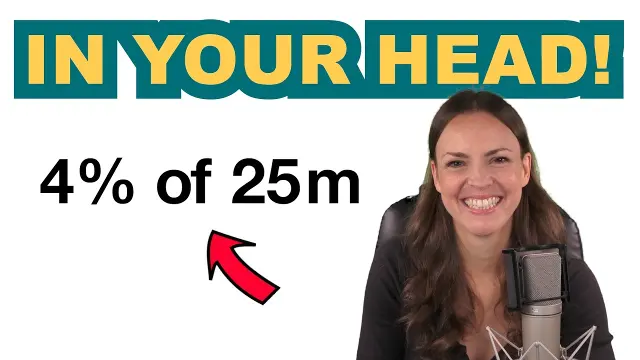 Mental Math Trick for Faster Percentage Calculations
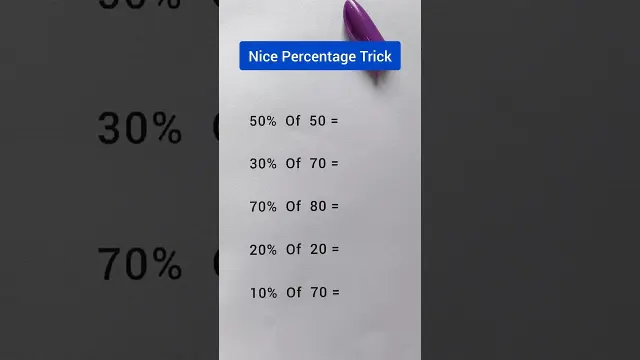 Quick Percentage Calculation Trick for Math
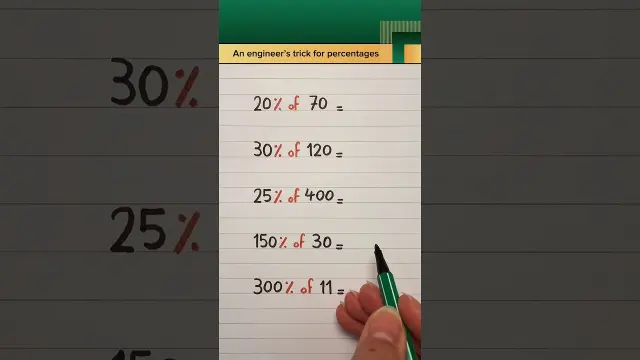 Ingenious Engineer Trick for Calculating Percentages
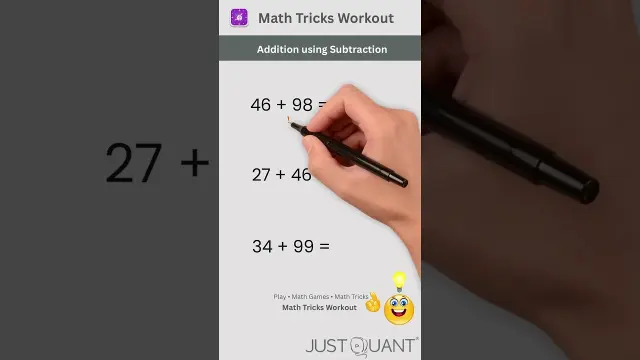 Mental Math Techniques for Fast Addition Using Subtraction
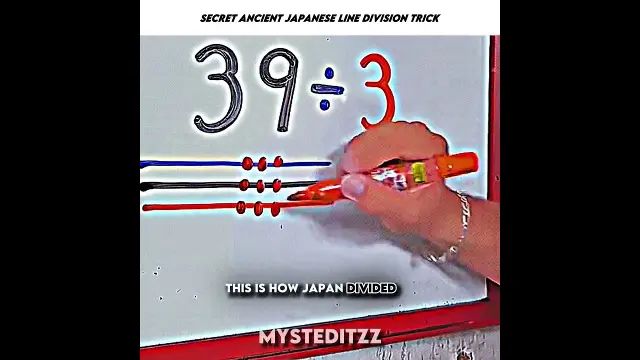 Ancient Japanese Visual Line Division Trick
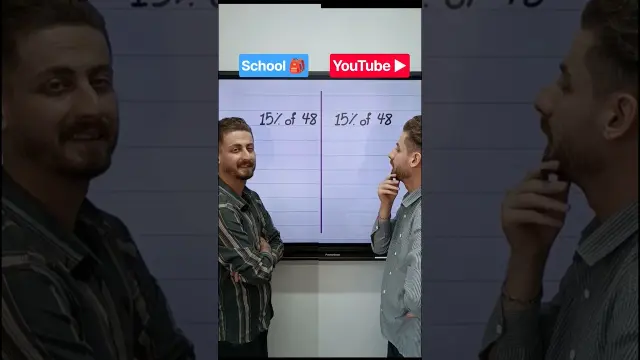 Simple Math Trick to Calculate Percentages Quickly
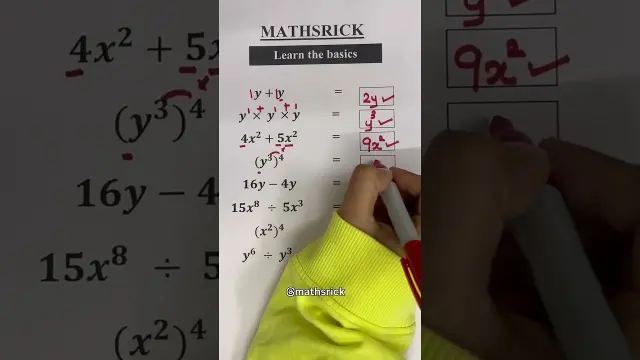 Quick Study Guide for Learning Basic Algebra
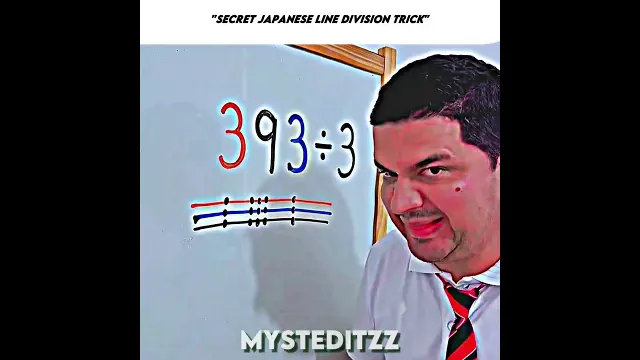 Three-Digit Division Using the Japanese Line Method
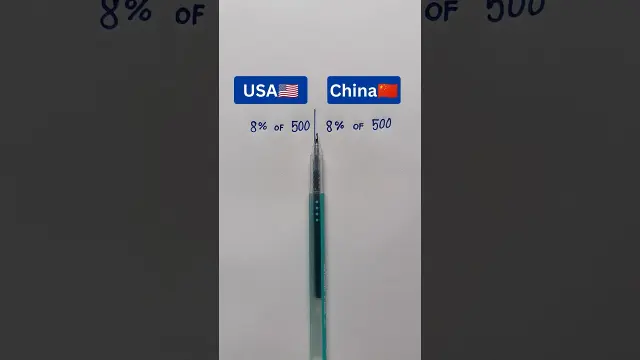 Beautiful Math Tricks for Percentage Calculations
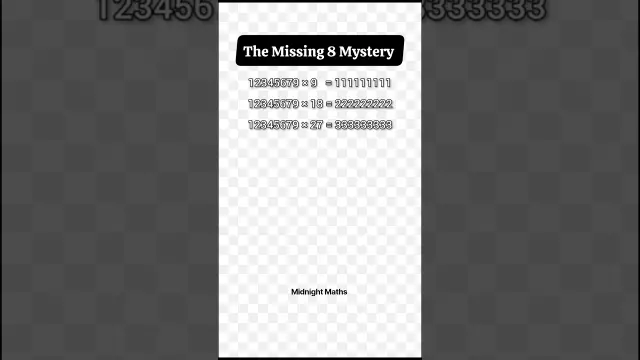 Discovering Mathematical Tricks With Repeating Number Patterns
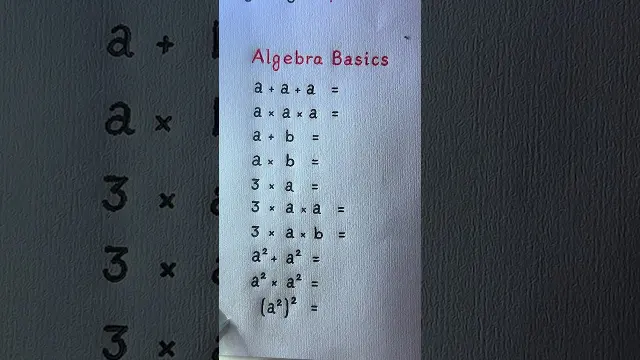 Helpful Shortcut and Trick for Basic Algebra
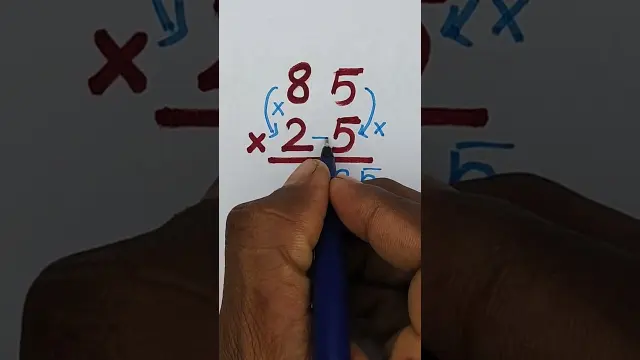 Fast Multiplication Method and Easy Math Trick
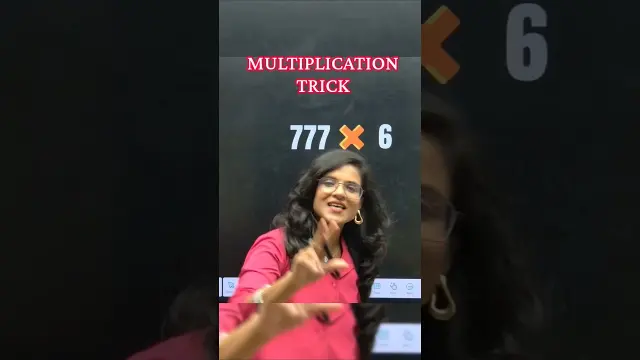 Simple Multiplication Trick for Fast Mental Math
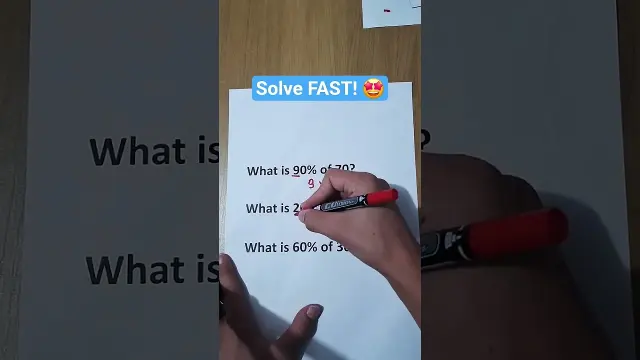 Fast and Easy Step-by-Step Percentage Math Trick
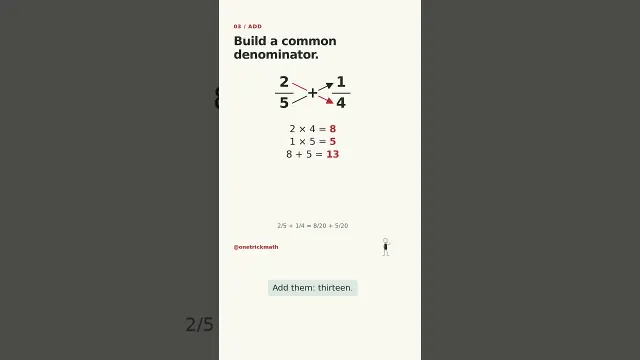 Understanding When to Cross-Multiply Fractions
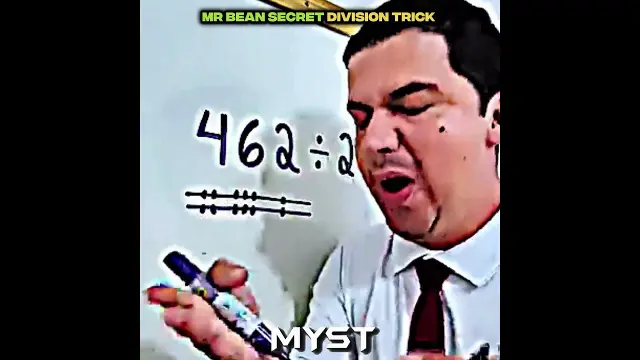 Fast Visual Division Hack for Large Numbers
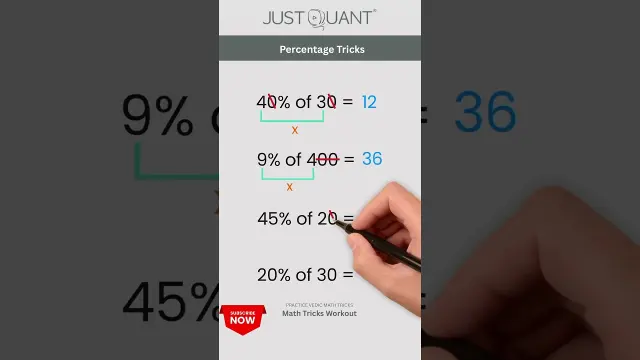 Zero Cancellation Trick to Find Percentages Fast
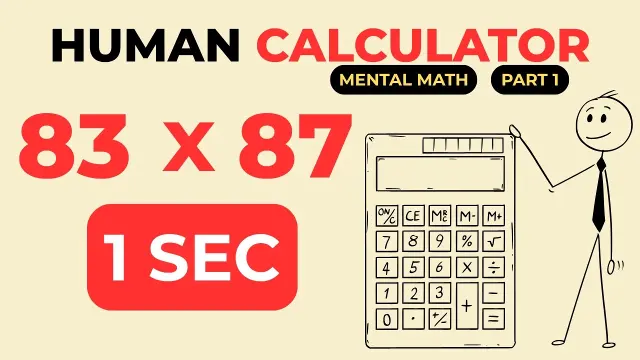 Lightning-Fast Mental Math Shortcuts for Beginners
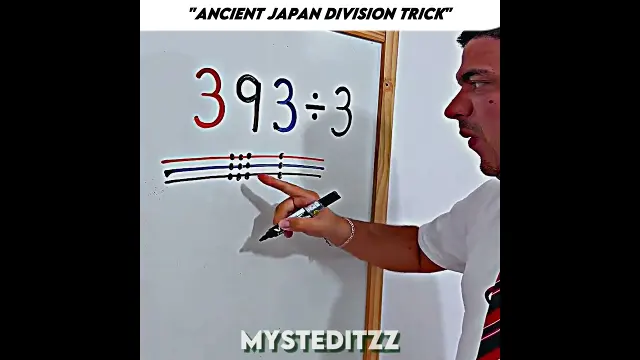 Visual Line Division Trick for Fast Calculation
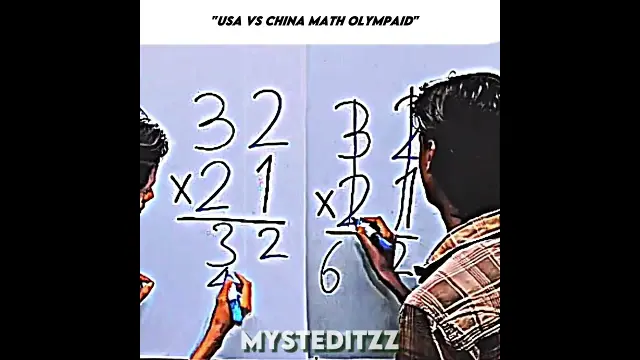 Comparing USA and China Math Methods for Multiplication
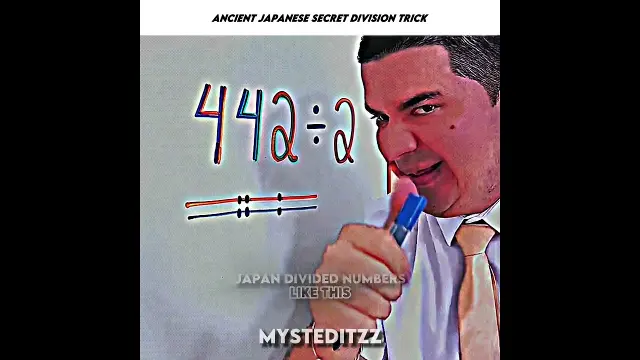 Visual Speed Hack for Division Calculations
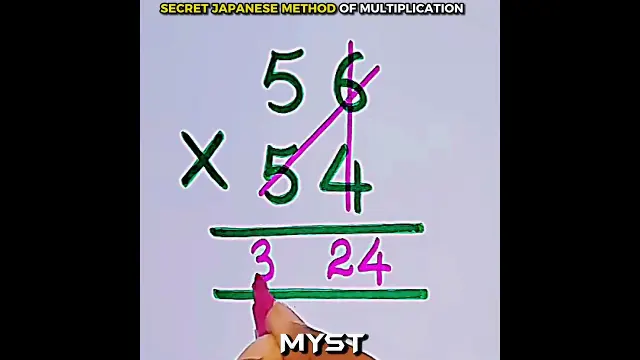 The Japanese Method of Mental Multiplication
Get new #Math Tricks ideas by email
Every Thursday: the week's best ideas, with the newest from #Math Tricks.
Related tags
Math Tricks for Faster Mental Calculation
Math tricks are quick methods that make calculation easier, faster, or less stressful. They are not a replacement for understanding numbers, but a way to work more confidently in everyday situations such as shopping, measuring, budgeting, or checking an answer in your head. Many of these tricks are based on patterns in place value, multiplication, division, and percentages, which means they often work best when you understand the idea behind them.
What math tricks are
At their core, math tricks are shortcuts. Some help you calculate mentally, while others help you estimate or simplify a problem before you solve it. A good trick does not just save time; it also makes the structure of the calculation clearer. For example, breaking a number into parts can make multiplication easier, and using 10, 100, or 1,000 as reference points can make percentages more intuitive.
These methods have long been part of practical arithmetic, taught informally by teachers, parents, shopkeepers, and students who needed quick ways to work with numbers. Different traditions and school methods may use different visual or verbal techniques, but the goal is usually the same: make arithmetic more manageable.
Read more
Common kinds of math tricks
Some of the most useful tricks involve percentages. It is often easier to find 10%, 5%, or 1% first, then combine them to reach the answer. This works especially well when you are dealing with discounts, tips, or simple comparisons. Another common strategy is to convert awkward percentages into friendlier fractions, such as seeing 25% as one quarter.
Multiplication tricks often rely on splitting numbers into parts. You can multiply by 9 using 10 times the number and subtracting one group, or use distributive reasoning to turn a difficult problem into smaller ones. Division tricks often use visual methods or repeated subtraction of easy values, especially when the divisor is close to 10 or 100.
Mental math also includes patterns for doubling and halving, rounding and adjusting, and checking whether an answer makes sense. These techniques are especially helpful when you want a quick estimate before doing a more exact calculation.
What beginners should know
If you are just starting, do not try to learn too many shortcuts at once. Begin with the ones that match your daily needs. Percentages, multiplication tables, and simple division are usually the most useful places to start. It also helps to understand the standard method first, because a shortcut works best when you know why it works.
A few practical tips:
- Break numbers into smaller parts whenever possible.
- Use round numbers as anchors, then adjust.
- Learn the easy percentage facts first: 10%, 50%, 25%, and 1%.
- Check your answer by estimating before you accept it.
- Practice a little at a time so the methods become natural.
Using math tricks well
The best math tricks are the ones you can use calmly and accurately. Speed matters, but so does clarity. If a shortcut feels confusing, it is better to use a simple step-by-step method. Over time, you will notice that many tricks are really just familiar arithmetic seen from a different angle. Once that becomes clear, numbers feel less intimidating and much easier to handle.
Videos come from YouTube and posts from Instagram; titles and summaries are our own. All rights belong to their creators.