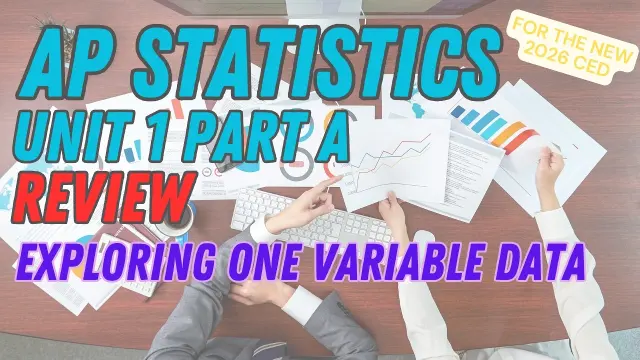
 AP Statistics Unit 1 Summary Review of Exploring One-Variable Data
#Math Tutorial
8 ideas
AP Statistics Unit 1 Summary Review of Exploring One-Variable Data
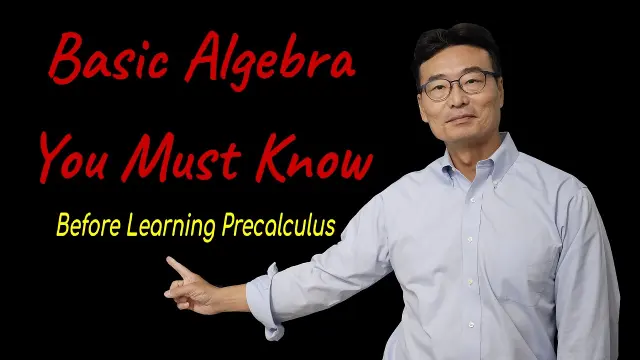 Essential Algebra Concepts Before Learning Precalculus
 Fourth Grade Math Tutorial On Continuing Number Patterns
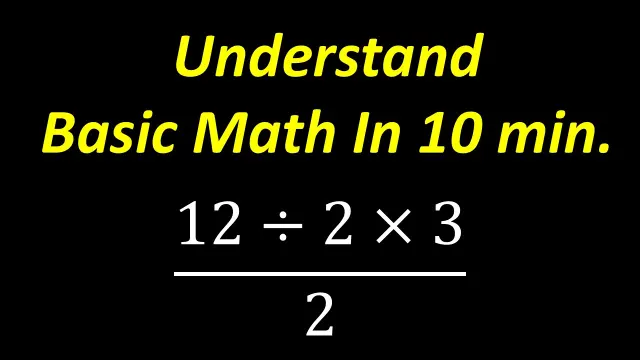 Ten Minute Quick Review of Essential Basic Mathematics
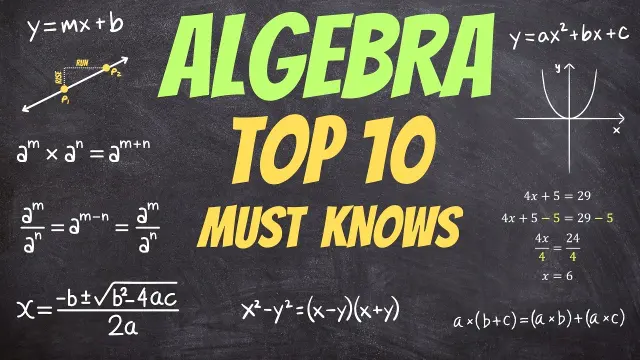 Complete Algebra Study Guide Covering Ten Essential Topics
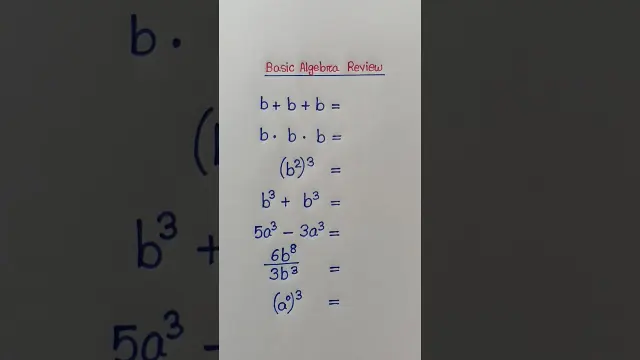 Basic Algebra Tutorial Featuring Essential Math Learner Tips
 Essential Calculator Tips to Boost Your GED Math Score
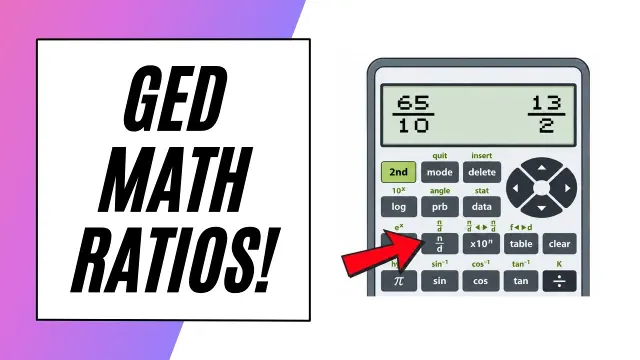 How to Solve Ratio Problems on the GED Math Test
Get new #Math Tutorial ideas by email
Every Thursday: the week's best ideas, with the newest from #Math Tutorial.
Related tags
Math Tutorial Guide for Learners
What a math tutorial is
A math tutorial is a guided way to learn mathematical ideas step by step. It can mean a lesson, a study guide, a video, or a written explanation that helps you understand how math works, not just memorize answers. Tutorials are useful for building confidence with numbers, patterns, formulas, and problem-solving methods.
Math itself has been used for centuries to measure, compare, count, and describe the world. Over time, it has grown into many branches, from arithmetic and algebra to geometry, statistics, and more advanced topics. A good tutorial makes these ideas easier to approach by breaking them into small, clear parts.
Main kinds of math tutorials
Read more
Different tutorials focus on different goals:
- Basic arithmetic tutorials cover addition, subtraction, multiplication, division, fractions, decimals, and percentages.
- Algebra tutorials introduce variables, expressions, equations, and functions.
- Geometry tutorials explain shapes, angles, area, perimeter, volume, and spatial reasoning.
- Data and statistics tutorials help you read charts, find averages, and understand patterns.
- Test-prep tutorials focus on problem types, time management, and working carefully under pressure.
If you are a beginner, it usually helps to start with the basics before moving into more advanced topics. Many math difficulties come from missing earlier steps, so revisiting fundamentals can make later lessons much easier.
How to learn from a tutorial
The best way to use a math tutorial is to work actively, not just read it once. Try to solve each example yourself before looking at the explanation. If you make a mistake, that is useful information: it shows you where to slow down.
A few helpful habits are:
- Write out each step instead of doing everything in your head.
- Check whether your answer makes sense in the context of the problem.
- Learn the meaning of symbols and words, not just the formula.
- Practice the same idea in several different ways.
- Review old topics regularly so you do not forget them.
Practical tips for beginners
If math feels overwhelming, keep your practice simple and steady. Short study sessions often work better than one long, tiring session. Start with one topic at a time, and only move on when you feel comfortable.
It also helps to stay organized. Keep a notebook for formulas, definitions, and mistakes you want to remember. When you miss a problem, try to understand whether the issue was a concept, a calculation, or reading the question too quickly.
A useful mindset
Math tutorials are most effective when you treat math as a skill you can build. Progress usually comes from repetition, patience, and clear methods. If one explanation does not make sense, try another example or approach. Over time, patterns become more familiar, and problems that once felt difficult begin to feel manageable.
Videos come from YouTube and posts from Instagram; titles and summaries are our own. All rights belong to their creators.