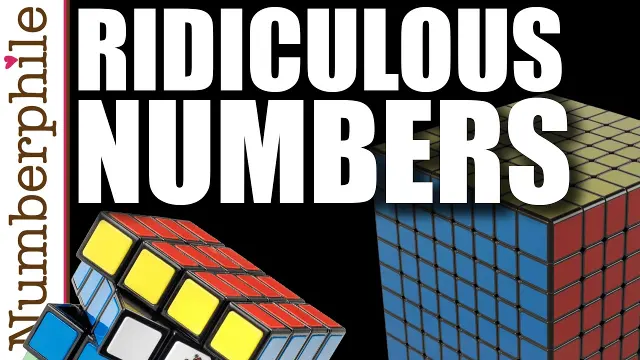
 Ridiculously Big Numbers Generated by Rubik's Cube Combinations
#Puzzles
4 ideas
Ridiculously Big Numbers Generated by Rubik's Cube Combinations
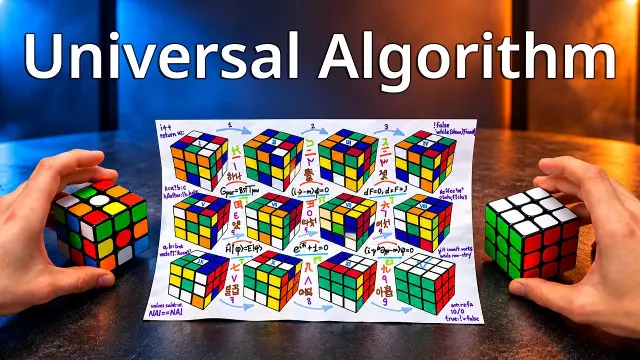 How to Solve a Three by Three Rubik Cube Using a Universal Algorithm
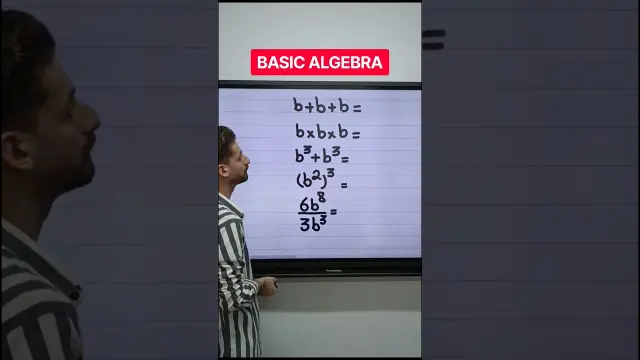 Basic Algebra Practice Challenge to Test Your Skills
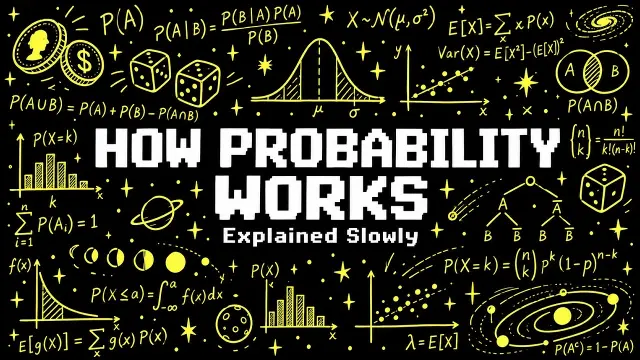 Understanding Probability Concepts and Mathematical Rules Slowly
Get new #Puzzles ideas by email
Every Thursday: the week's best ideas, with the newest from #Puzzles.
Related tags
Puzzles: A Guide to Solving and Enjoying Them
Puzzles are problems designed to be solved for pleasure, challenge, or mental exercise. They can take many forms, from jigsaws and logic grids to word puzzles, number puzzles, mechanical puzzles, and riddles. Some are made to test patience and observation, while others focus on pattern recognition, memory, spatial thinking, or reasoning. Whatever their form, puzzles invite you to slow down, notice details, and work toward a clear solution.
Puzzles have been part of human culture for a very long time. People have always enjoyed testing cleverness with games, codes, and brainteasers. Some puzzles are playful and casual, while others are deeply mathematical or highly structured. A simple crossword and a complex twisty puzzle may look very different, but both ask you to think in steps and stay curious when the answer is not obvious.
Common types of puzzles
- Jigsaw puzzles: these involve fitting pieces together to complete an image.
- Word puzzles: crosswords, word searches, anagrams, and logic-based language games.
- Number puzzles: sudoku, arithmetic puzzles, and pattern-based number challenges.
- Mechanical puzzles: objects that must be manipulated, rotated, or assembled in the right way.
- Logic puzzles: problems that require deduction from given clues.
- Riddles: short puzzles that rely on wordplay, lateral thinking, or surprising connections.
Read more
Each type asks for a slightly different skill. Some rely more on seeing patterns, while others reward careful reading or systematic trial and error.
How to approach a puzzle
If you are new to puzzles, it helps to begin with something manageable. Start by understanding the rules fully before trying to solve anything. Look for obvious clues, repeated shapes, or parts that stand out. Break a large problem into smaller pieces, and do not be afraid to test ideas one at a time.
Patience matters. Many puzzles are not meant to be solved instantly. If you get stuck, pause and come back later with fresh eyes. Often, a solution becomes clearer after a short break. It also helps to keep your steps organized, especially in logic or number puzzles where one small mistake can affect everything that follows.
Practical tips for beginners
- Read the instructions carefully before making your first move.
- Look for easy wins first, such as corners, extremes, or repeating patterns.
- Keep track of what you have already tried.
- If the puzzle allows it, work from the known parts outward.
- When stuck, change your approach instead of repeating the same step.
- Be willing to make mistakes; they are often part of learning.
Puzzles are useful because they build more than one skill at once. They can improve concentration, patience, and confidence in problem-solving. They are also enjoyable because they give you a clear goal and a satisfying sense of progress. Whether you like quiet solo challenges or lively group games, there is usually a puzzle that matches your mood and level.
Most of all, puzzles are about curiosity. You do not need to be especially clever to enjoy them. You only need a willingness to look closely, think calmly, and keep going until the pieces make sense.
Videos come from YouTube and posts from Instagram; titles and summaries are our own. All rights belong to their creators.