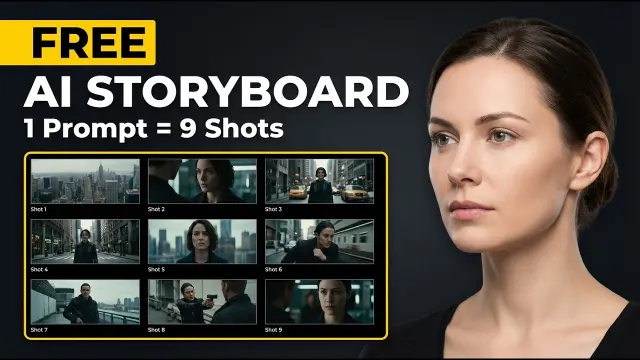
 Create Cinematic Storyboards Using AI Step by Step
#Video Production
3 ideas
Create Cinematic Storyboards Using AI Step by Step
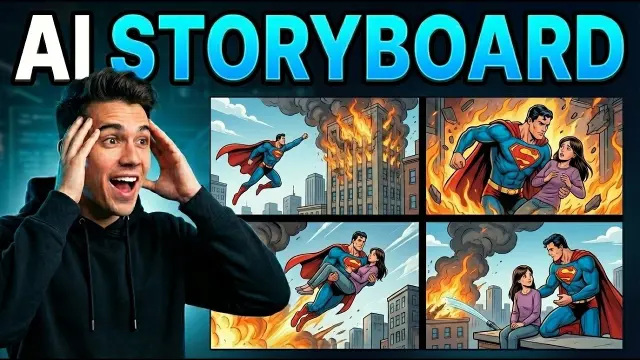 How to Make a Consistent AI Storyboard and Video
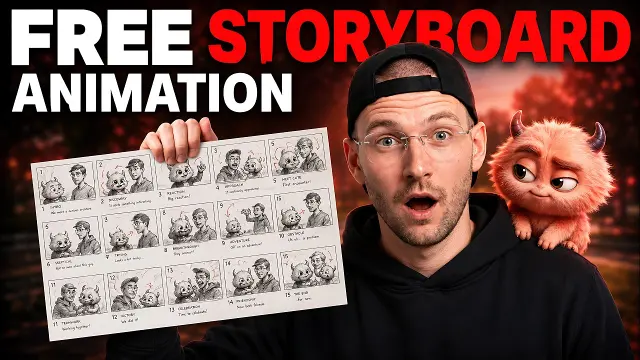 How to Turn Storyboards into Videos with Free AI Tools
Get new #Video Production ideas by email
Every Thursday: the week's best ideas, with the newest from #Video Production.
Related tags
Video Production: An Essential Creative Guide
Video production is the process of planning, filming, and assembling moving images into a finished video. It can be used for storytelling, education, marketing, social media, documentation, or personal projects. At its simplest, it turns an idea into a sequence of visuals, sound, and rhythm that communicates something clearly to an audience.
What video production includes
Most video production begins long before the camera starts rolling. The first stage is pre-production, which is where you define the purpose of the video, shape the message, and decide what needs to be filmed. This may include writing a script, making a shot list, planning locations, gathering props, and organizing people and equipment.
The next stage is production, which is the actual filming. Here, you work with framing, lighting, sound, camera movement, and performance. Good production depends on clear planning, but it also benefits from flexibility, because unexpected details often appear during filming.
Read more
The final stage is post-production, where you select the best footage, arrange it in order, adjust the timing, add sound, and refine the overall look. Editing is where the story really takes shape. Music, narration, captions, and simple graphic elements can all support the message, as long as they remain clear and appropriate.
Common styles and formats
Video production can take many forms. A documentary usually focuses on real people, events, or subjects. An instructional video explains how to do something step by step. A commercial or promotional video is designed to present a product, service, or idea in a persuasive way. Narrative video uses scripted scenes and characters to tell a story. Short-form video often aims for quick impact, while longer formats can allow for more detail and atmosphere.
The style you choose should match the purpose. A calm, informative video needs a different pace from a lively, emotional one. Visual choices such as lighting, color, camera angle, and editing rhythm help create that tone.
What beginners should know
If you are new to video production, start with a simple idea. A clear message is more important than complicated effects. Before filming, ask yourself what the viewer should understand, feel, or do after watching. That answer will guide your choices.
It also helps to think in terms of basic building blocks: a beginning that introduces the topic, a middle that develops it, and an ending that gives closure or a call to action. Try to keep shots steady, sound clean, and scenes well lit. Even simple videos improve greatly when the audio is easy to hear and the visual story is easy to follow.
Practical tips for better results
- Plan your shots before you film, even if the project is small.
- Use natural light when possible, and avoid harsh shadows or backlighting that hides the subject.
- Record more footage than you think you need, especially extra close-ups and cutaway shots.
- Keep your edits purposeful; remove anything that does not support the message.
- Watch your video from start to finish with fresh eyes and listen carefully to the sound.
Video production is a blend of structure and creativity. With practice, you learn how to shape ideas into visual stories that feel clear, polished, and engaging.
#Video Production: frequently asked questions
How do I start a video production project as a beginner?
Start by deciding what you want the viewer to understand, feel, or do after watching. Then outline a simple structure with a beginning, middle, and ending so your filming and editing stay focused.
What do I need for a basic video production setup?
A clear plan matters more than expensive equipment. At the basics, you need a camera or phone, decent sound, good lighting, and a simple plan for what shots you want to capture.
Which type of video production should I choose for my goal?
Choose the format that best matches your message and audience. An instructional video works well for teaching, a documentary suits real stories, and a promotional video is better when you want to persuade or showcase something.
How can I turn a storyboard into a finished video?
Use the storyboard as a visual guide for your shots, pacing, and scene order. Film each planned moment, then shape the story in editing by choosing the strongest clips, tightening the timing, and adding sound or text only where they help.
What are the most common mistakes in video production?
A common mistake is focusing on effects instead of clarity, which can make the message harder to follow. Weak sound, poor lighting, and unfocused editing can also distract viewers even when the idea itself is good.
Videos come from YouTube and posts from Instagram; titles and summaries are our own. All rights belong to their creators.