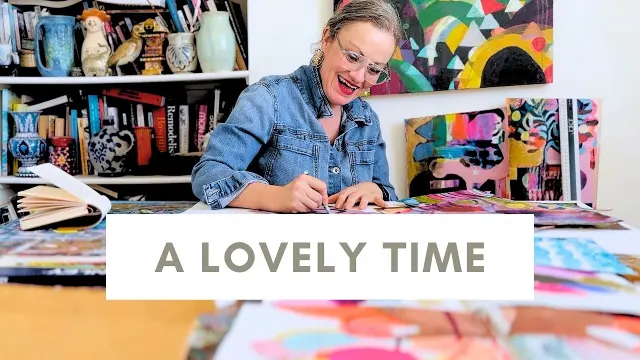
 Creative Play and Making Art Without Expectation
#Sketchbook
4 ideas
Creative Play and Making Art Without Expectation
 Inspiring Sketchbook Layouts and Creative Drawing Concepts
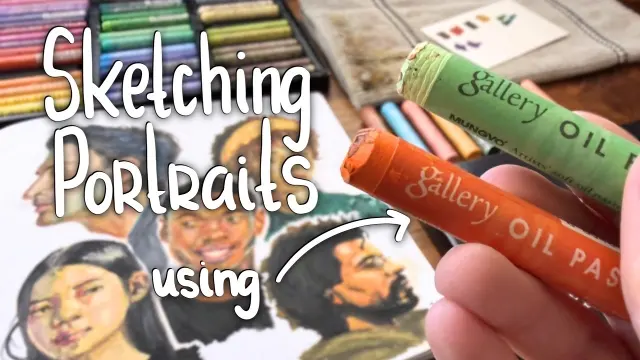 Sketching Portraits in a Sketchbook with Oil Pastels
 Aesthetic Drawing Ideas and Cute Sketchbook Inspiration
Get new #Sketchbook ideas by email
Every Thursday: the week's best ideas, with the newest from #Sketchbook.
Related tags
Sketchbook: A Creative Space for Drawing and Ideas
A sketchbook is a place for thinking with your hands. It can hold quick drawings, careful studies, color tests, written notes, collage, lettering, or any mix of visual ideas. Artists have used sketchbooks for centuries as a private space to observe the world, plan larger work, and develop their own style. But a sketchbook is not only for artists who feel confident. It is also for anyone who wants to practice seeing, remember ideas, or enjoy making marks on paper.
What a sketchbook is for
At its simplest, a sketchbook is a notebook with blank or lightly toned pages meant for drawing and visual experimentation. Some people use it as a daily creative journal. Others use it to study faces, hands, plants, buildings, or objects. It can also become a record of travels, moods, dreams, recipes, or thoughts alongside images.
There is no single right way to use one. A sketchbook can be neat and structured, or messy and free. It can stay private or be shared. What matters is that it gives you room to explore without pressure.
Read more
Common ways to work in a sketchbook
Many artists combine different approaches, such as:
- Quick sketches to capture an idea before it disappears
- Observational drawing from real life
- Loose studies of texture, shadow, or movement
- Compositions for future paintings or finished pieces
- Color swatches and material tests
- Collage, stickers, tape, writing, or found paper
- Mixed-media pages with pencil, pen, markers, or watercolor
Some sketchbooks are filled in order, while others jump between topics. Both ways are useful. If you enjoy a sense of flow, working page by page can feel satisfying. If you prefer variety, you can let each page stand alone.
Helpful habits for beginners
If you are new to sketching, start small. You do not need perfect subject matter or expensive tools. A simple pencil and a sketchbook are enough. Try drawing everyday objects, the corner of a room, a cup, your shoes, a houseplant, or your own hand. Short sessions can be very helpful, because they make it easier to begin.
It can also help to set gentle limits. For example, choose one page, one color, or one subject and see what happens. If a page does not turn out as you hoped, keep going anyway. Sketchbooks are for practice, and practice is often uneven. Those imperfect pages usually become some of the most useful ones.
A few practical tips
- Keep your sketchbook somewhere easy to reach
- Use pages for experimentation, not only finished-looking drawings
- Date pages if you want to track your progress over time
- Mix writing and drawing if ideas are easier to capture that way
- Leave some pages unfinished so there is room for future thoughts
- Revisit old pages; they can inspire new work
Over time, your sketchbook becomes more than a collection of drawings. It becomes a visual memory of how you think, notice, and create.
#Sketchbook: frequently asked questions
How do I start using a sketchbook if I’m a beginner?
Start with simple subjects and short sessions so it feels easy to begin. A pencil and any blank or lightly toned sketchbook are enough, and you can draw everyday objects, your hand, a plant, or part of a room.
What should I put in a sketchbook besides drawings?
A sketchbook can hold much more than finished sketches. People use it for notes, color tests, collage, lettering, texture studies, travel memories, recipes, and quick ideas they want to save.
Which type of sketchbook should I choose?
Choose one that matches how you like to work: clean pages for drawing, lightly toned pages for contrast, or a format that feels comfortable to carry and open. If you enjoy variety, a sketchbook that can handle mixed media is helpful; if you like simplicity, a basic drawing sketchbook works well.
How can I keep my sketchbook looking and feeling good over time?
Store it somewhere easy to reach so you use it often, and keep the pages away from moisture and heavy bending. It also helps to close it after use, avoid overloading it with wet layers, and revisit older pages gently when you want ideas.
What are good sketchbook ideas for creative inspiration?
Try portrait studies, cute everyday objects, loose color swatches, or small layout experiments based on a theme. You can also mix drawings with writing or collage to create pages that feel more personal and playful.
What mistakes should I avoid when keeping a sketchbook?
A common mistake is waiting for every page to look polished before continuing. It also helps not to overthink the subject or technique; sketchbooks are meant for practice, testing ideas, and learning as you go.
Videos come from YouTube and posts from Instagram; titles and summaries are our own. All rights belong to their creators.