 How I Leverage Artificial Intelligence Across the Double Diamond Design Process
#Figma
30 ideas
How I Leverage Artificial Intelligence Across the Double Diamond Design Process
 Using Claude Code for Product Prototypes and UI Design Critiques
 Figma Weave for Poster Mockups
 Learn Design Systems with Figma Variables and Components
 Beginner Guide to Creating Website Wireframes in Figma
 The Honest Truth About Combining Artificial Intelligence and Design Systems
 The New Way to Use Figma with AI
 Refining and Critiquing Figma Designs Using Claude Code
 Figma Auto Layout Basics and Advanced Settings
 How to Start Learning Product Design From Scratch Today
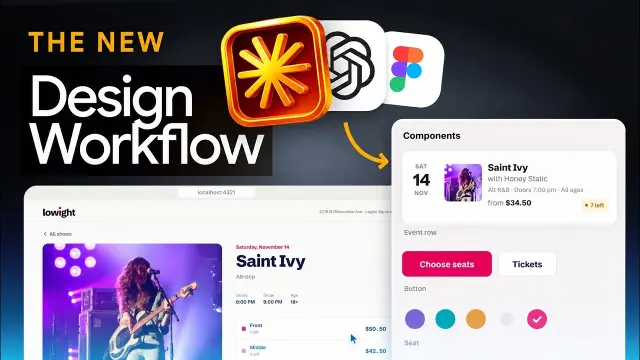 My Complete Artificial Intelligence Design Workflow for Modern Product Creation
 Building Low-Fidelity Website Wireframes in Figma Using AI
 Full Guide to Designing Digital Products Using Claude, Codex, and Figma
 Complete Figma AI Course for Beginners
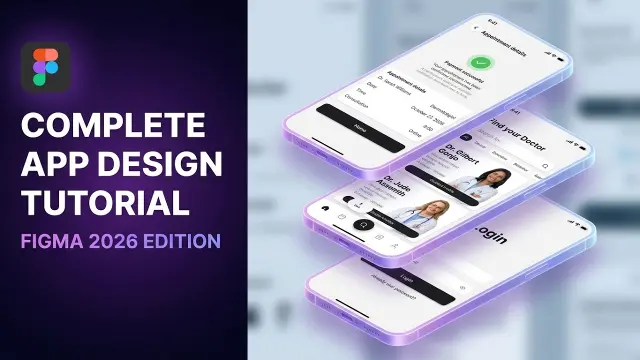 Design a Modern Mobile App From Scratch in Figma
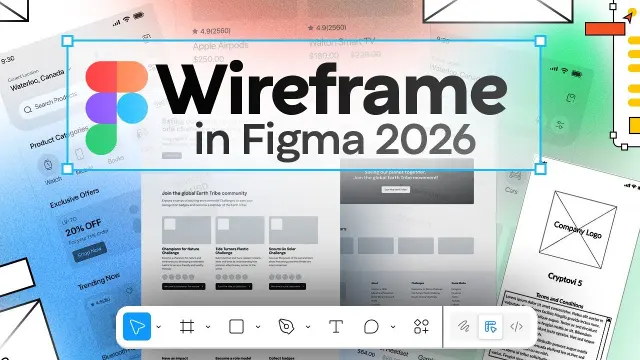 How to Wireframe in Figma
 Testing an AI-Powered UX Review Tool for Interface Design
 Real Test of Figma Agents for UX Design
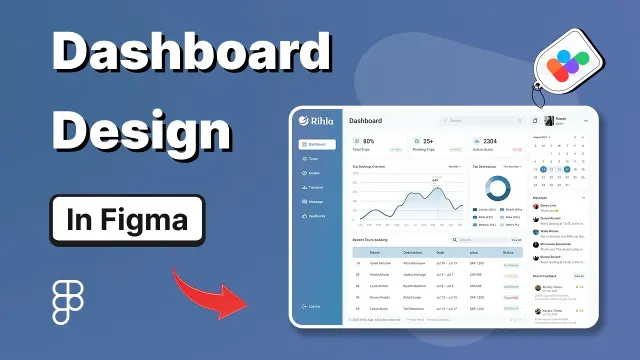 How to design a modern UI UX dashboard from scratch in Figma
 UI and UX Designer Beginner Roadmap
 Learn Figma in Six Hours Full Course
 Turn a Figma Design Into an Interactive Prototype
 Building an Interactive App Prototype Using AI and Figma
 Using Simple Wireframes to Improve Your AI Coding Workflow
Get new #Figma ideas by email
Every Thursday: the week's best ideas, with the newest from #Figma.
Collections
Related tags
Figma Guide for Interface and Product Design
What Figma is
Figma is a digital design tool used to create user interfaces, prototypes, wireframes, and design systems. It is especially useful for app, website, and product design because it brings drawing, layout, collaboration, and handoff into one place.
What makes Figma distinctive is that it was built for shared work. Instead of sending files back and forth, you can work in the same design space with other people, leave comments, and review changes together. That makes it a natural fit for teams, but it is also approachable if you are learning design on your own.
What people use it for
Read more
You can use Figma for many kinds of visual and product work, including:
- Sketching early ideas and wireframes
- Designing screens for websites and apps
- Building clickable prototypes
- Creating reusable components and styles
- Organizing design systems
- Sharing work with clients, developers, or teammates
For beginners, Figma is often a good place to start because it combines simple layout tools with more advanced features you can grow into over time.
Main features and concepts
A few core ideas help you understand Figma quickly.
Frames are the building blocks of your canvas. They are often used like artboards or screen boundaries. Shapes and text let you create layouts and content. Components help you reuse buttons, cards, headers, and other repeated elements so your design stays consistent. Styles can be used for colors, text, and effects, which helps keep a project organized.
Figma also includes prototyping tools. These let you connect screens and show how a design flows from one step to another. That is useful when you want to test the structure and experience of a product, not just its appearance.
How it is commonly used
Many designers begin with rough wireframes before moving into more detailed visual design. A practical workflow is:
- Start with the user’s main goal
- Map the basic screens or sections
- Arrange content clearly before adding decoration
- Turn repeating parts into components
- Check spacing, hierarchy, and readability
- Build a prototype to test the flow
This approach helps you focus first on structure and usability, then on visual polish.
Tips for beginners
If you are new to Figma, keep things simple at first. Learn how to move around the canvas, create frames, add text, and align objects. Practice using grids, spacing, and consistent typography, because these basics matter more than fancy effects.
It also helps to work from real examples. Redesigning a simple screen or recreating a familiar layout can teach you a lot about composition and consistency. As you improve, start building your own small component library so your work becomes easier to maintain.
A few things to remember
Good Figma work is not only about neat visuals. It is also about clarity, structure, and collaboration. Keep your files organized, name layers sensibly, and reuse elements where possible. The more consistent your setup, the easier it is for others to understand and build from your design.
If you use Figma well, it can become a central part of your design process, from first idea to final presentation.
#Figma: frequently asked questions
How do I start learning Figma if I have never designed before?
Begin with the basics of the canvas: learn to create frames, add shapes and text, and align objects using grids and consistent spacing. Recreate a simple screen you already know well so you can focus on layout and hierarchy instead of decoration. Once those feel natural, move on to components and prototyping, which you can grow into gradually.
What do I need before designing my first project in Figma?
You mainly need a clear idea of who the design is for and what their main goal is, since that shapes every screen that follows. Sketch the basic sections or screens on paper first, then arrange content clearly before adding any visual polish. Beyond that, just a device and a free account are enough to begin.
Should I make wireframes or go straight to polished visual design?
Wireframes come first, because they let you test structure and flow cheaply before committing to visuals. Map the screens, place the content, and check spacing and readability while everything is still rough. Only once the structure holds up should you bring in color, imagery, and refined typography.
How do I keep a Figma file from becoming messy as it grows?
Name your layers sensibly and group related elements into frames so the structure stays readable to anyone opening the file. Turn repeated elements such as buttons, cards, and headers into components, and use shared styles for colors and text so changes stay consistent. Organized files are far easier for teammates and developers to build from later.
What is the difference between a design file and a prototype in Figma?
A design file shows how screens look when static, while a prototype connects those screens so you can click through them and experience the flow. Prototyping is useful for testing whether the structure and sequence of a product make sense, not just whether it looks good. Building one at the end of a project is a quick way to catch problems before handoff.
What mistakes do beginners usually make when learning Figma?
The most common one is chasing fancy effects before the basics of layout, spacing, and type hierarchy are solid. Another is skipping wireframes and jumping straight to detailed screens, which makes structural problems expensive to fix later. Building a small reusable library of components early saves a lot of repetitive cleanup as projects grow.
Videos come from YouTube and posts from Instagram; titles and summaries are our own. All rights belong to their creators.